More than a century after the 1906 San Francisco earthquake, its lessons continue to shape how California prepares for future disasters. On the 120-year anniversary, the San Francisco Fire Department held a live demonstration showcasing its earthquake emergency response systems, serving as a reminder that preparation remains essential.
The 1906 earthquake did not just damage buildings. It triggered fires that burned for days, largely because the city’s water infrastructure failed. Today, San Francisco has invested in resilience, including a high-pressure auxiliary water system and more than 135 miles of earthquake-resistant pipelines. These improvements are designed to keep emergency services operational when they are needed most.
While cities continue to strengthen infrastructure, property owners also play a critical role in preparedness, especially when it comes to seismic retrofitting.
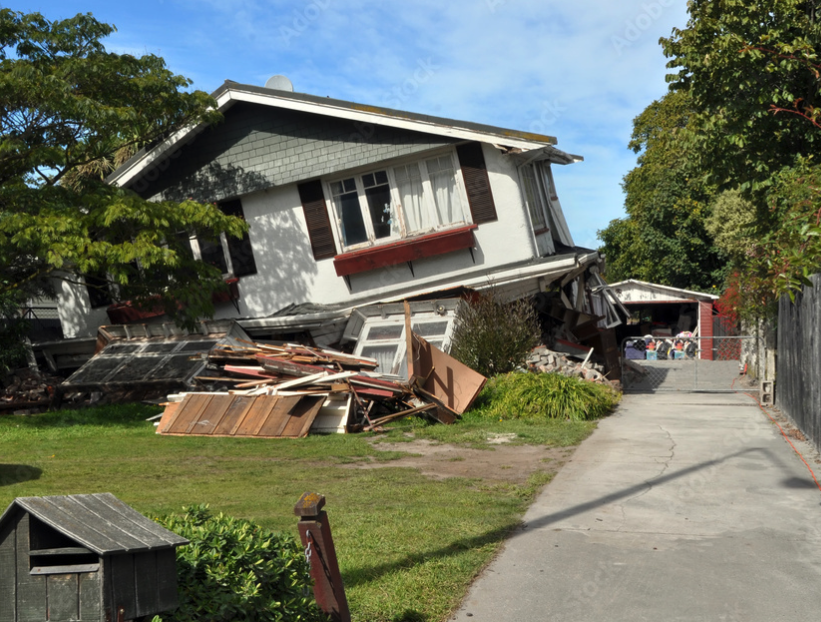
Seismic retrofitting focuses on strengthening vulnerable structures so they can better withstand earthquake forces. In Southern California, many older multifamily buildings, particularly those with soft-story conditions or aging structural systems, were not designed to meet current seismic standards. Without reinforcement, these buildings face a higher risk of significant damage during a major earthquake.
For property owners and managers in Orange County, this is especially important. The region sits within an active seismic zone, and while earthquakes may not happen every day, the risk is always present. Preparing now allows owners to take control of that risk rather than reacting to it later.
The recent demonstration in San Francisco reinforces an important point. Preparation happens before a disaster, not after. Even with advanced emergency systems in place, the safety and performance of individual buildings depend on their structural integrity.
For apartment owners and managers, seismic retrofitting is not just about compliance. It is about protecting your investment and the people who live in your buildings. A properly retrofitted structure is more likely to reduce structural damage during seismic events, minimize costly repairs and downtime, improve overall building stability, and support faster recovery after an earthquake.
In Orange County, where many properties were built before modern seismic codes, retrofitting offers a practical path toward long-term resilience. Strengthening these buildings can help protect property value, reduce disruption for tenants, and support the overall stability of the local housing market after a seismic event.
The takeaway is clear. Earthquakes are inevitable, but the level of damage they cause is not. By learning from past events like 1906 and applying modern engineering solutions, property owners can take meaningful steps to reduce risk.
Seismic retrofitting remains one of the most effective ways to prepare. It strengthens buildings, supports community resilience, and helps ensure that when the next earthquake occurs, your property is better positioned to withstand it.
Sources
- San Francisco Fire Department demonstration commemorating the 1906 earthquake (2026)
- San Francisco Public Utilities Commission infrastructure data and emergency water system details
- Bay City News via SFGate: “SF Fire Department Holds Demonstration Commemorating 1906 SF Earthquake”(April 2026)
- Historical data on the 1906 San Francisco earthquake
About Optimum Seismic, Inc.
The Optimum Seismic team has been making California cities safer since 1984 by providing full-service earthquake engineering, steel fabrication and construction services for multifamily residential, commercial and industrial buildings. With more than 4,000 earthquake retrofit and renovation projects completed, Optimum Seismic’s work includes soft-story multifamily apartments, tilt-up, non-ductile concrete, steel moment frame and unreinforced masonry (URM) buildings. To arrange a complimentary assessment of your building’s earthquake resilience, contact Optimum Seismic at (833) 978-7664 or visit optimumseismic.com.