Renovating or strengthening an older apartment building can uncover conditions that property owners may not expect. Lead-based paint and asbestos-containing materials are two important examples. When construction, repairs or seismic retrofits disturb older building materials, potentially hazardous substances must be identified and handled properly to protect residents, workers and the property itself.
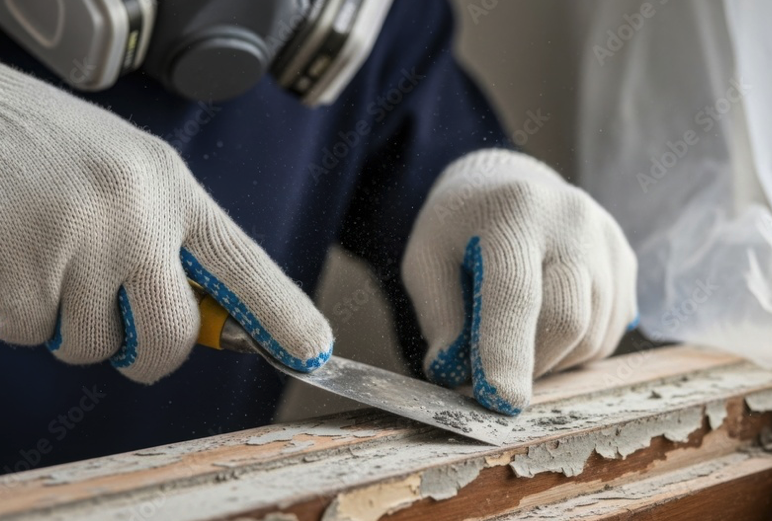
For Orange County rental housing providers, this is particularly important when planning work on older properties. Lead-based paint was widely used in residential buildings before it was banned for consumer use in 1978, while asbestos was historically incorporated into numerous building products, including insulation, flooring, roofing materials, cement products and other construction materials. The presence of these materials does not necessarily mean they pose an immediate danger. Problems can arise, however, when materials are cut, drilled, sanded, demolished or otherwise disturbed during construction.
Know Before You Start
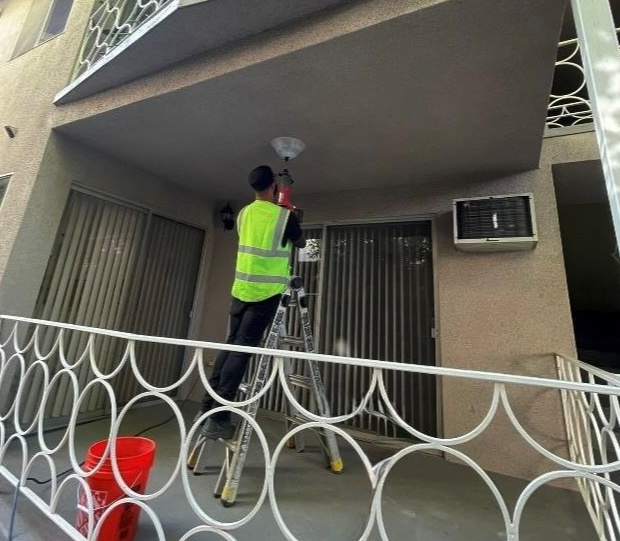
Environmental testing should be considered early in the planning process, particularly when a project involves opening walls, removing stucco or disturbing existing building materials.
Federal, state and local regulations establish requirements for handling lead and asbestos during certain renovation and demolition activities. Depending on the material, building and scope of work, contractors may be required to follow specific notification, containment, worker-protection, removal and disposal procedures.
Trying to avoid these requirements can create much larger problems than addressing them correctly from the beginning. Improper disturbance or disposal of hazardous materials can expose workers and residents, delay construction, result in enforcement actions and increase a property owner’s potential liability.
Plan for the Unexpected
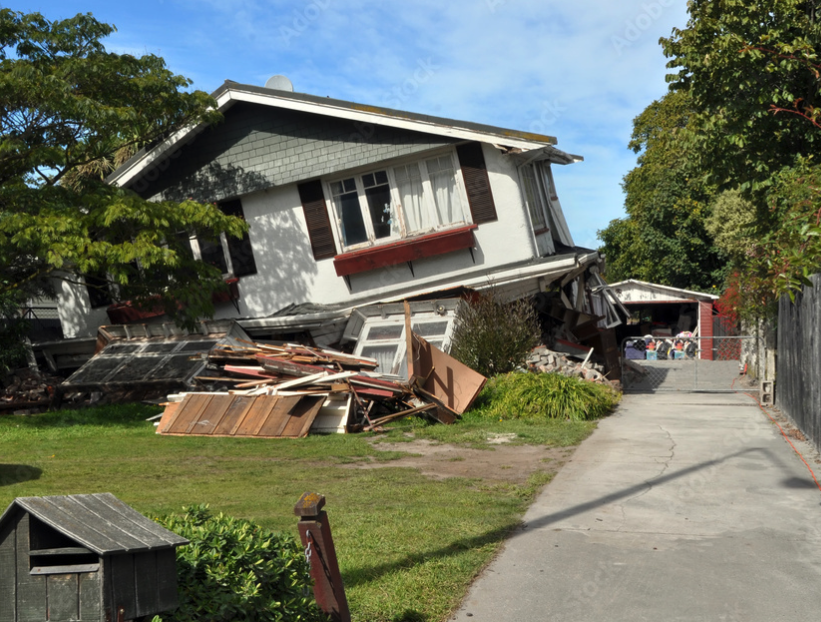
This is especially relevant during seismic retrofit and structural repair projects. Engineers and contractors sometimes need to expose concealed structural components to determine existing conditions or complete required strengthening. In an older building, opening a wall or removing finishes can reveal materials that require additional testing or specialized handling before work can continue.
Discovering asbestos or lead after construction has already started can cause delays and unexpected expenses. Identifying potential environmental issues earlier gives the project team an opportunity to incorporate the appropriate procedures into the construction schedule and budget.
Property owners should work with qualified professionals and ensure that any required environmental testing or abatement is performed by appropriately licensed or certified specialists.
Doing It Right Protects Everyone
The lowest construction bid is not always the least expensive option if important safety and regulatory requirements are overlooked. Property owners should evaluate a contractor’s experience, licensing, insurance and history of completing similar projects, particularly when working on older multifamily buildings.
Seismic retrofitting is ultimately about protecting lives and making our communities more resilient. The same philosophy should apply to every aspect of the construction process. Taking the time to identify environmental hazards, follow applicable requirements and use qualified professionals helps protect residents, workers and property owners while keeping projects moving safely toward completion.
Doing the job right means doing it safely from the beginning.
About Optimum Seismic, Inc.
The Optimum Seismic team has been making California cities safer since 1984 by providing full-service earthquake engineering, steel fabrication and construction services for multifamily residential, commercial and industrial buildings. With more than 4,000 earthquake retrofit and renovation projects completed, Optimum Seismic’s work includes soft-story multifamily apartments, tilt-up, non-ductile concrete, steel moment frame and unreinforced masonry (URM) buildings. To arrange a complimentary assessment of your building’s earthquake resilience, contact Optimum Seismic at (833) 978-7664 or visit optimumseismic.com.