The January 1, 2026 deadline for initial SB 721 balcony inspections has passed, but the responsibility to maintain safe exterior elevated elements continues. For apartment owners and managers throughout Orange County, balcony safety remains an important part of protecting residents, preserving property value, and maintaining compliance with California law.
Balconies, decks, stairways, and elevated walkways are among the amenities that make multifamily communities attractive to residents. Because these structures are exposed to weather year-round, they can also experience gradual deterioration over time. Moisture intrusion, wood decay, corrosion, and aging materials may not always be visible from the surface, making routine inspections an important part of ongoing property maintenance.
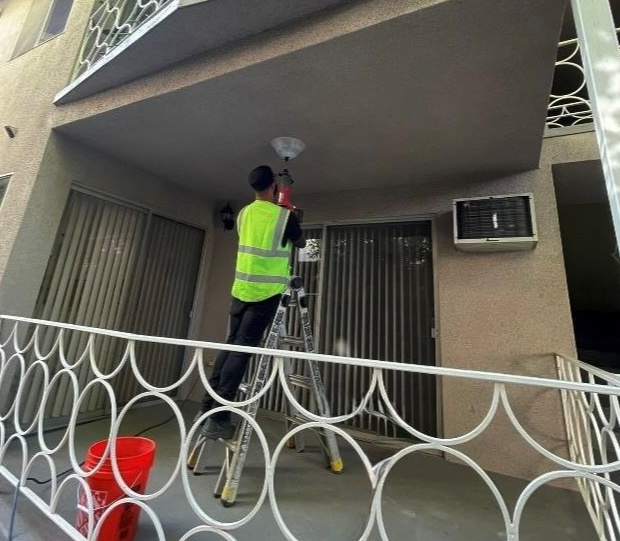
California enacted SB 721 following the tragic 2015 balcony collapse in Berkeley that claimed six lives and injured several others. The law requires owners of multifamily buildings with three or more dwelling units to have exterior elevated elements supported substantially by wood inspected by a qualified design professional. The purpose of these inspections is to identify conditions that could compromise structural safety before they become serious hazards.
While many property owners have already completed their initial inspections, the work often does not end there.
Inspection reports may identify repairs that require further evaluation, engineering, permitting, or construction. Addressing these findings promptly can help prevent more extensive deterioration while supporting the long-term safety of the building. Even properties that received favorable inspection results should continue to monitor exterior elevated elements as part of their regular maintenance program.
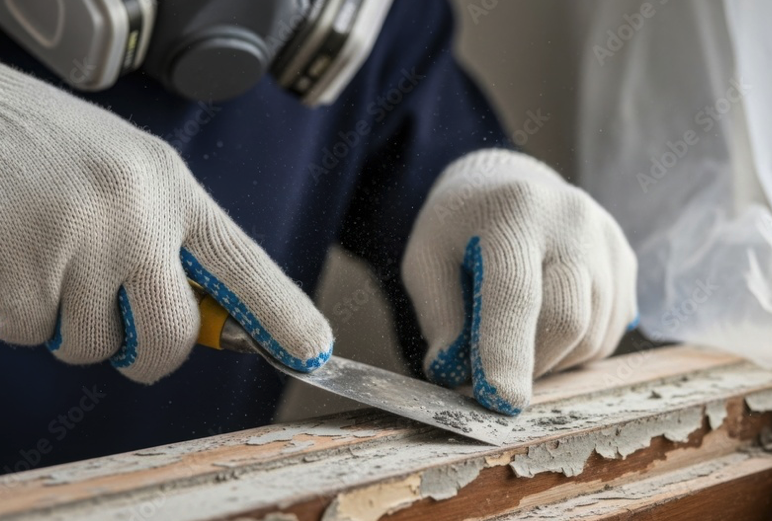
Common issues identified during inspections include moisture intrusion, dry rot, deteriorated framing members, corrosion of metal connectors and fasteners, damaged waterproofing systems, and loose guardrails or stair components. Left unaddressed, these conditions can gradually reduce the structural capacity of balconies and other exterior elevated elements.
For apartment owners and managers, maintaining these structures is about more than regulatory compliance. It is also an investment in resident safety and the long-term performance of the property. Identifying deficiencies early often allows repairs to be completed before they become larger and more costly.
Orange County’s coastal climate can also contribute to ongoing wear. Moisture, marine air, and seasonal weather conditions can accelerate deterioration in some building materials, making routine inspections and preventative maintenance even more valuable.
SB 721 represents an ongoing commitment to building safety rather than a one-time milestone. Property owners who continue to monitor their buildings, address recommended repairs, and maintain detailed inspection records will be better positioned to protect their investments and provide safe housing for their residents.
Proactive maintenance remains one of the most effective ways to extend the life of exterior elevated elements and help ensure that California’s multifamily housing continues to provide safe, reliable homes for years to come.
Sources
- California Senate Bill 721 as amended by Assembly Bill 2579.
- Berkeley balcony collapse, which prompted enhanced exterior elevated element safety requirements.
- California Department of Consumer Affairs guidance regarding qualified design professionals and inspection requirements.
About Optimum Seismic, Inc.
The Optimum Seismic team has been making California cities safer since 1984 by providing full-service earthquake engineering, steel fabrication and construction services for multifamily residential, commercial and industrial buildings. With more than 4,000 earthquake retrofit and renovation projects completed, Optimum Seismic’s work includes soft-story multifamily apartments, tilt-up, non-ductile concrete, steel moment frame and unreinforced masonry (URM) buildings. To arrange a complimentary assessment of your building’s earthquake resilience, contact Optimum Seismic at (833) 978-7664 or visit optimumseismic.com.