Should new construction be allowed on top of live earthquake faults? And, what can be done about the thousands of structures already standing on these fearsome fissures?
Questions like these have been playing out in Hollywood and other parts of the Southland, where a worrisome weave of active faults snakes its way beneath our communities.
The City of Los Angeles years ago put a halt on plans to build a pair of towering skyscrapers next to the Capitol Records building near Hollywood and Vine. The reason? An active fault – capable of triggering a magnitude 7 earthquake – ran directly underneath the site, according to the United States Geological Survey.
The project developers of these 46- and 35-story giants fought back, insisting that there is no active fault lurking below the site. They busily trenched underground to analyze the geological makeup of the earth below to prove – or disprove – that theory.
It’s a scenario that plays out frequently in our earthquake-prone landscape.
“When a fault was discovered below a school site near downtown, officials tore down a portion of the new school and reserved the area over the fault as a park. Buildings found to be on top of faults at Los Angeles Southwest College and San Bernardino Valley College have been razed; a shopping center in Huntington Beach was demolished and rebuilt to avoid a fault. And in a suburb of Long Beach, developers took painstaking care to avoid building new homes atop a fault in Signal Hill, and instead put in a road, tennis courts and parking lots atop or around the fault,” the Los Angeles Times reported in April.
There are more than 500 active earthquake faults in California, according to the state Earthquake Authority.
In addition to the mighty San Andreas and more recently discovered Puente Hills faults there are more than a hundred smaller active faults in the Greater Los Angeles region, such as the Northridge, Raymond, Santa Monica, Hollywood, Newport-Inglewood, San Jacinto and Elsinore faults – many of which have triggered devastating disasters in the past.
The San Diego area has its own serious earthquake risks.
The boundary between the Pacific and North American tectonic plates runs to the east of San Diego County from the Gulf of California up through the Salton Sea and into the Los Angeles region. The San Andreas network of faults can cause powerful earthquakes — as big as magnitude 8 — in San Diego.
San Diego is also home to two active earthquake faults:
- Rose Canyon fault, an extension of the Los Angeles Newport-Inglewood fault, runs along the coast and beneath downtown San Diego. Earthquake geologists and engineers say this fault is the biggest earthquake threat to San Diego, capable of earthquakes of magnitude 6.9.
- The Elsinore and San Jacinto faults cut through East County and can also generate moderately-sized and damaging earthquakes.
Life in San Diego could be disrupted by a major earthquake on the Rose Canyon Fault zone. It is estimated that the region would experience $5.2 billion in lost income, and 36,000 households would be displaced. San Diego’s aging apartments and houses could be ruined, adding to the crisis in affordable housing. Water, sewer lines and gas line services could be out for months. The I-5 transportation corridor as well as airport and rail services would be seriously affected by the rupture. Other impacts include:
- Widespread liquefaction along Mission Bay, Mission Valley, the San Diego International Airport, Coronado Island and the South Bay cities of Chula Vista, National City and Imperial Beach.
- Liquefaction on the nation’s fourth biggest Department of Defense facilities, home to three nuclear aircraft carriers.
- Earthquake-triggered landslides on the hills of San Diego would affect Mount Soledad, Point Loma, Mission Valley, and Sorrento Valley.
A matter of local concern
California law bans construction on live earthquake faults in most cases. Yet there are no statewide requirements for structures already atop them.
Many cities, instead of focusing on active fault lines, consider the types of structures most vulnerable to earthquake damage when contemplating policies to make those structures safer. (Visit OptimumSeismic.com/commercial for list of these structures.)
Los Angeles, San Francisco and Berkeley require seismic retrofits of structures proven to be at risk of failure or collapse in a major earthquake – not just along fault lines, but throughout their cities. Other cities provide guidelines that owners can decide to follow – or not.
Existing buildings also at risk
If California bans new construction atop any earthquake faults, why are there no uniform regulations regarding existing buildings?
This is where the responsibility for public safety and accountability falls in the hands of local government – and the building owner.
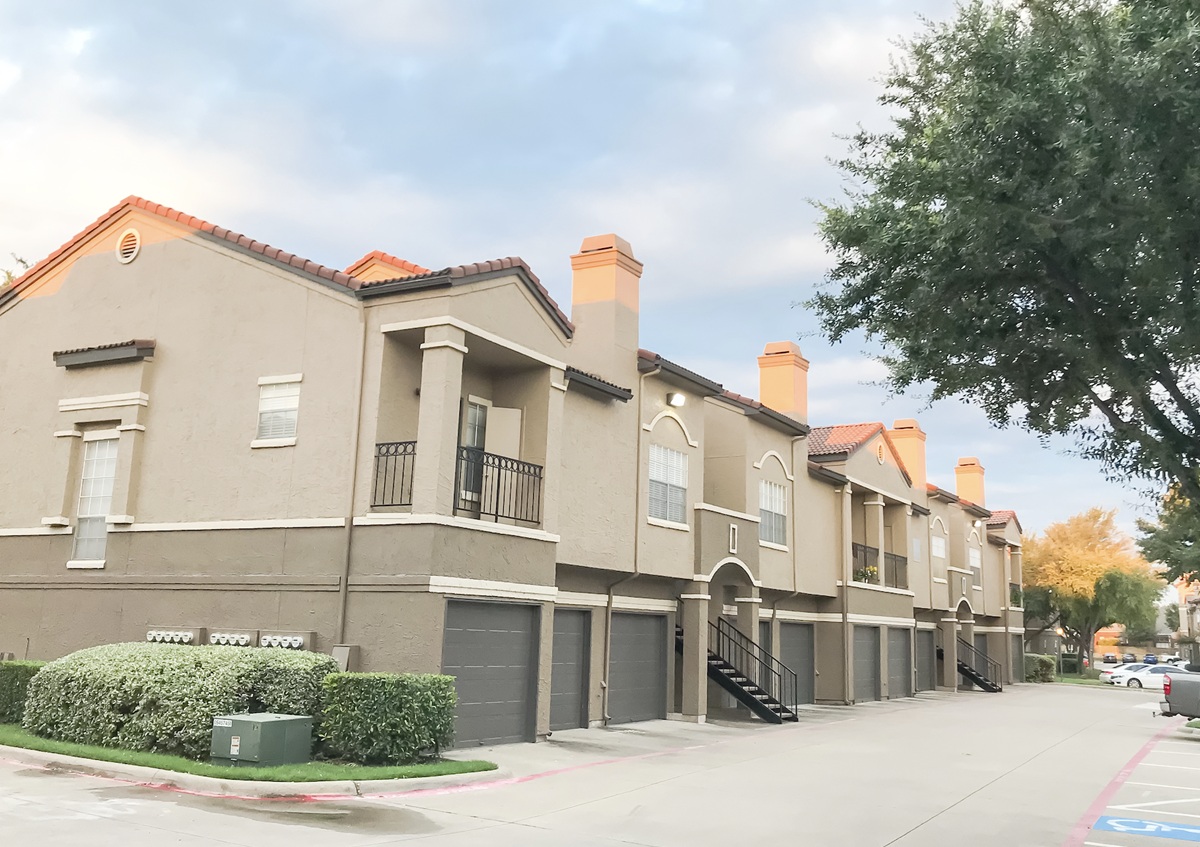
Not building a skyscraper – or two – directly over an active earthquake fault is a matter of prudent precaution. But it is equally important to consider the vulnerability of structures farther from the fault – typically older buildings constructed before the early 1980s.
Find out about the risks your apartment building may face with a complimentary building evaluation from Optimum Seismic. Visit OptimumSeismic.com or call 833-978-7664. The fate of your building is in your hands.
About Optimum Seismic, Inc.
The Optimum Seismic team has been making California cities safer since 1984 by providing full-service earthquake engineering, steel fabrication and construction services for multifamily residential, commercial and industrial buildings. With more than 3,500 earthquake retrofit and renovation projects completed, Optimum Seismic’s work includes soft-story multifamily apartments, tilt-up, non-ductile concrete, steel moment frame and unreinforced masonry (URM) buildings. To arrange a complimentary assessment of your building’s earthquake resilience, contact Optimum Seismic at (833) 978-7664 or visit optimumseismic.com.