Seven thousand.
That’s how many buildings have been retrofitted for earthquake safety since Los Angeles Mayor Eric Garcetti in 2015 signed a historic law requiring seismic fortification for 12,558 older soft-story structures in the city.
I joined the mayor at an apartment building retrofitted by Optimum Seismic to celebrate this milestone, which after years of heart-felt advocacy stands as a testament to the growing resilience of the City of Los Angeles, and the improved safety provided for the tens of thousands of families making those buildings their home.
“Here in Los Angeles, we’ve made resilience a priority, retrofitting our most vulnerable buildings to protect Angelenos’ lives and property,” Garcetti said at a recent joint press conference hosted by Optimum Seismic and his office in conjunction with The Great California ShakeOut earthquake awareness observance.
Standing together at the site of a recent retrofit completed by Optimum Seismic, the mayor gave a nod to the role of our company for helping make his vision of a more resilient Los Angeles a reality.
“I want to thank an amazing team that has done this day in and day out,” he said. “Thank you, Ali. You know this work so well.”
As a part of my ongoing advocacy for earthquake resilience in California, I have worked closely with the mayor and other officials from throughout the state, underscoring the importance of resilience for the social, economic and environmental well-being of our communities.
These older apartments are among the most affordable housing in the community so it’s very important to protect them. The residents, the businesses and the environmental community will all lose if these buildings are seriously damaged by a major earthquake.
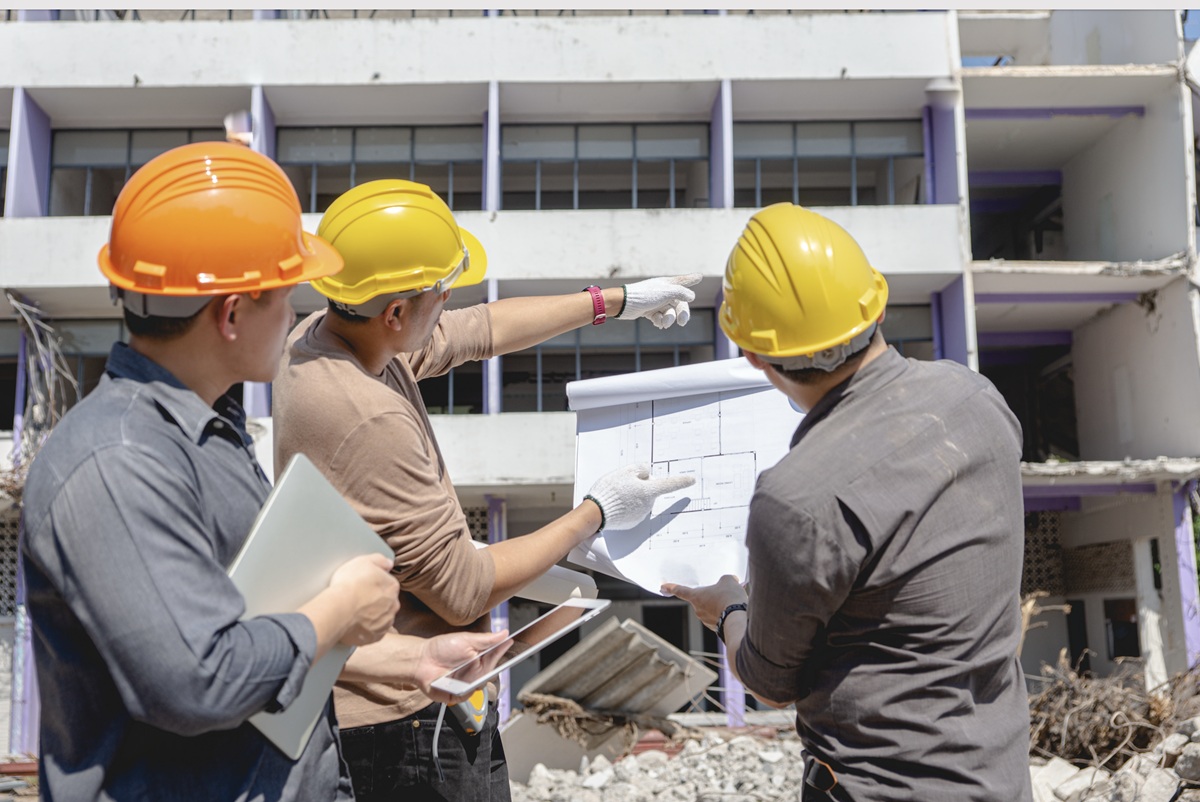
Since our engineering and construction team know how to fix these buildings and the cost of retrofitting is much less than building new units, doing retrofits is considered good business and common sense.
Multiple studies project devastating loss should a major quake strike the city.
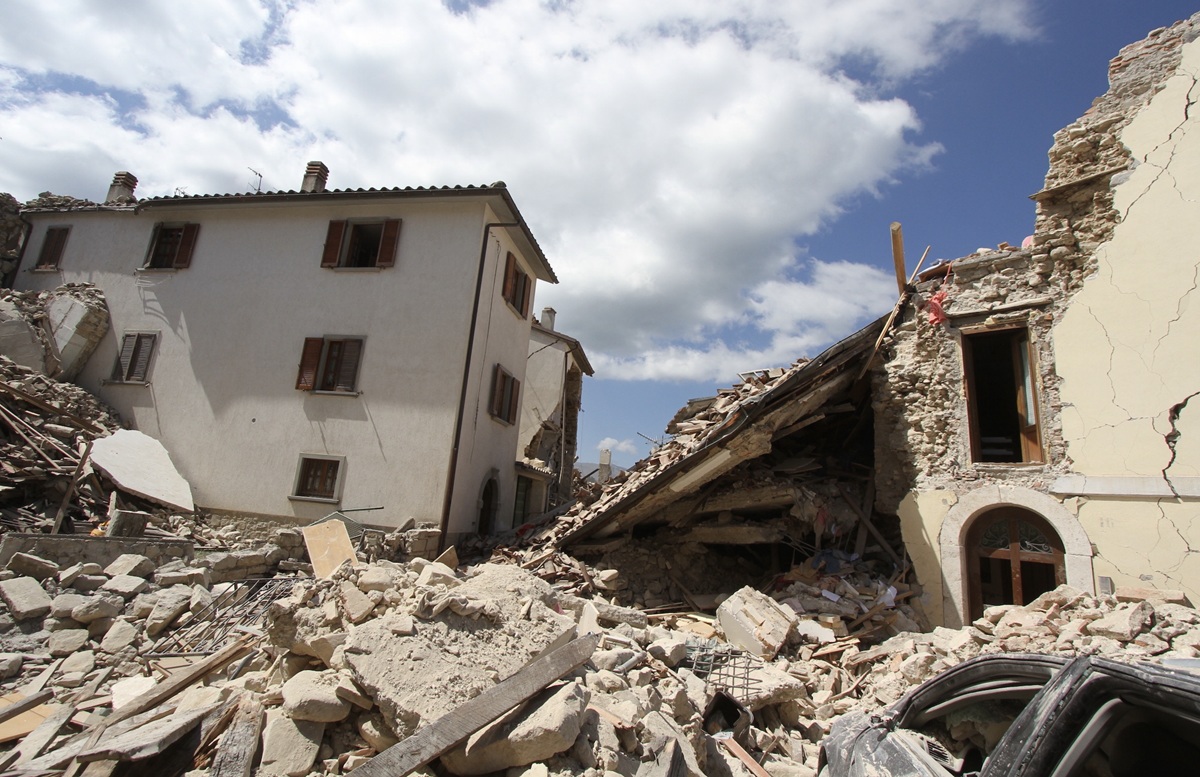
If 7.8-magnitude earthquake were to strike along the San Andreas Fault in Los Angeles , one in every 16 buildings – more than 300,000 structures – could be damaged. A similar strike along the Puente Hills fault would have the capacity to produce “the costliest disaster in U.S. history,” according to the University of Southern California. As many as 18,000 people would die, 735,000 would lose their homes, and up to 100,000 tons of debris would be generated. The total economic loss would be as high as $252 billion.
The work being done to retrofit vulnerable buildings is essential to ensuring the well-being of the city, no matter how intangible those benefits may be. The work also makes sense financially – averting catastrophic costs for cleanup and rebuilding following a devastating quake
“You can’t count the living, you can only count those that are lost,” Mayor Garcetti said. “Today, we know that this work will result in people who will still be here after the next Big One, and that is worth doing.”
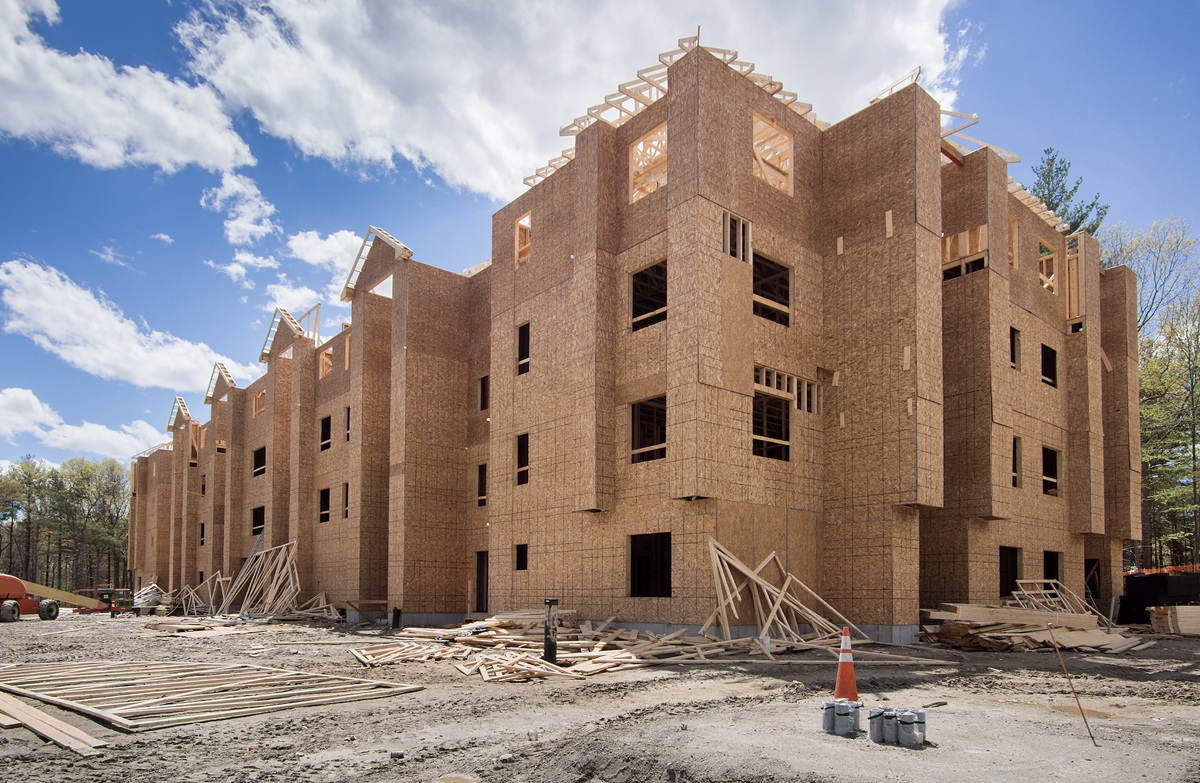
The Los Angeles ordinance requires mandatory seismic retrofitting for soft first-story buildings, built before 1980. Soft first-story buildings, which are often apartments, are wood frame buildings that have a large opening on the first floor for things like tuck-under parking and garage doors. In retail buildings they may include large display windows.
Is your building one of the 5,000 still in need of a retrofit? Call Optimum Seismic at 833-978-7664 for a free evaluation.