Insurance doesn’t save lives, it saves your livelihood. Earthquake retrofits do both.
Most apartment owners have worked very hard for what they have. Yet while San Diego is more seriously at risk of earthquake devastation than previously thought – many prefer to hope that the worst never happens, rather than to guard against it.
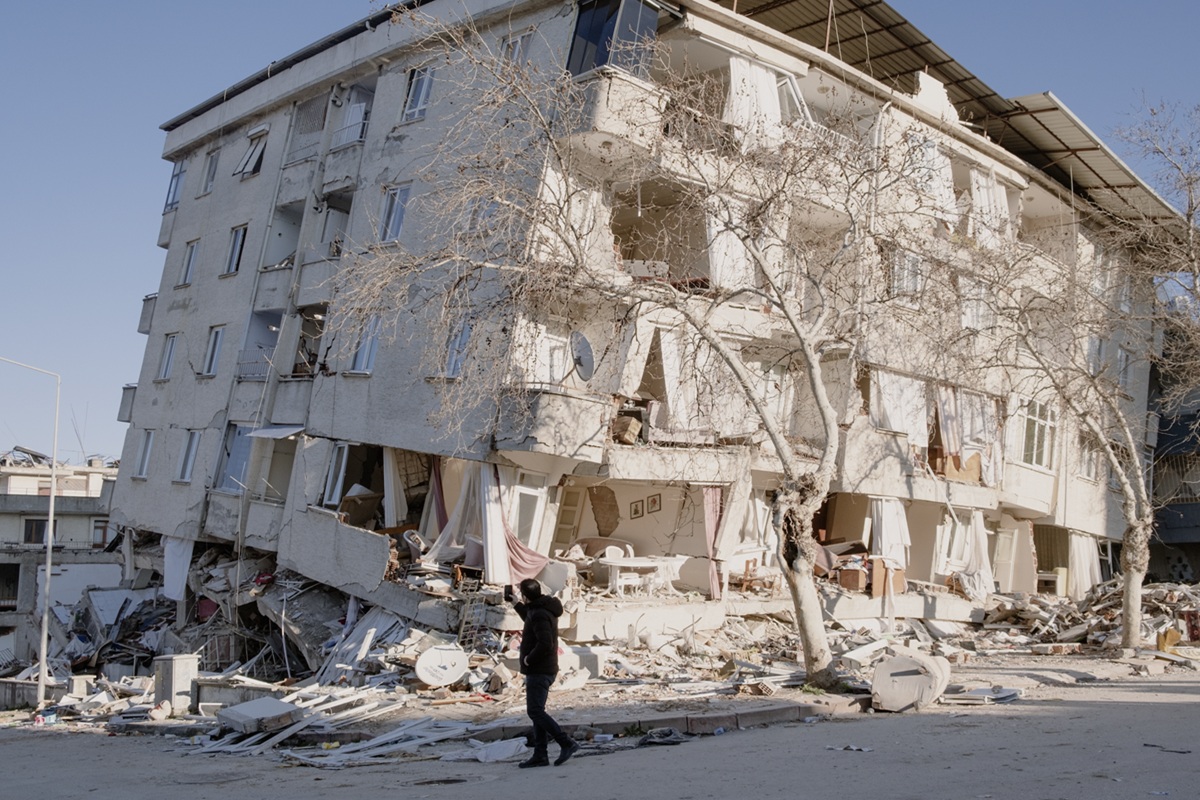
The Engineering and Environmental Research Institute last year projected grim outcomes for the San Diego area should the Rose Canyon fault explode with a devastating 6.9-magnitude earthquake:
- $38 billion in building and infrastructure damage (roughly 10% of the total value of buildings and infrastructure in the region)
- 120,000 buildings sustaining moderate to complete damage
- 8,000 buildings damaged beyond repair
- 36,000 households displaced
“Older, highly vulnerable structure types will be hardest hit, causing extensive damage, many building losses, and many possible casualties,” an EERI study found. “These older structure types including unreinforced masonry (URM) and older non-ductile concrete structures, have a long track record of poor seismic performance and yet, with few exceptions, have not been seismically retrofitted in the San Diego area beyond a partial retrofit program for URM buildings. Collapse or damage of these structures would add complexity to the emergency response, increase the number of human casualties, exacerbate financial loss, and delay recovery for the San Diego Region.”
Earthquake damage and liability are generally not covered under traditional commercial property insurance policies. Earthquake policies can be expensive, and they often have high deductibles of as much as 20% of the value of a building, depending on its location, age, and condition, according to the Insurance Information institute.
Seismic retrofits, on the other hand, have been proven in academic, industrial, and real-life settings to protect buildings and the people inside from damage and injury – making them the more cost-effective and best economic solution.
Every dollar spent retrofitting a soft-story structure will save the owner up to seven, according to a Caltech study – and that analysis did not factor in loss to contents, alternate living expenses or deaths and injuries – all of which would have significantly increased the cost-to-benefit ratios.
In a separate study, the university determined that seismic retrofits are cost-effective when projected annualized loss would be reduced by 50 percent or more at a cost that would equal no more than 10 percent of the replacement cost of a building.
Here’s how a typical cost-benefit analysis would look like for that formula, based on a soft-story retrofit:
- Apartment Building Value: $250,000 per unit
- 10-Unit Apartment Building: $2.5 million
- Retrofit Cost (10 units): $75,000
- Percentage of Value: 3%
It’s not just academics who say retrofits are a wise investment for property owners. The Federal Emergency Management Agency found similar cost benefits in a two-year analysis of seismic retrofit scenarios applied to a variety of building types.
Thousands of buildings are at risk. Is yours? Find out for sure, and use that knowledge to protect your future. Contact Optimum Seismic today at optimumseismic.com or call 833-978-7664 to arrange for a complimentary building assessment.