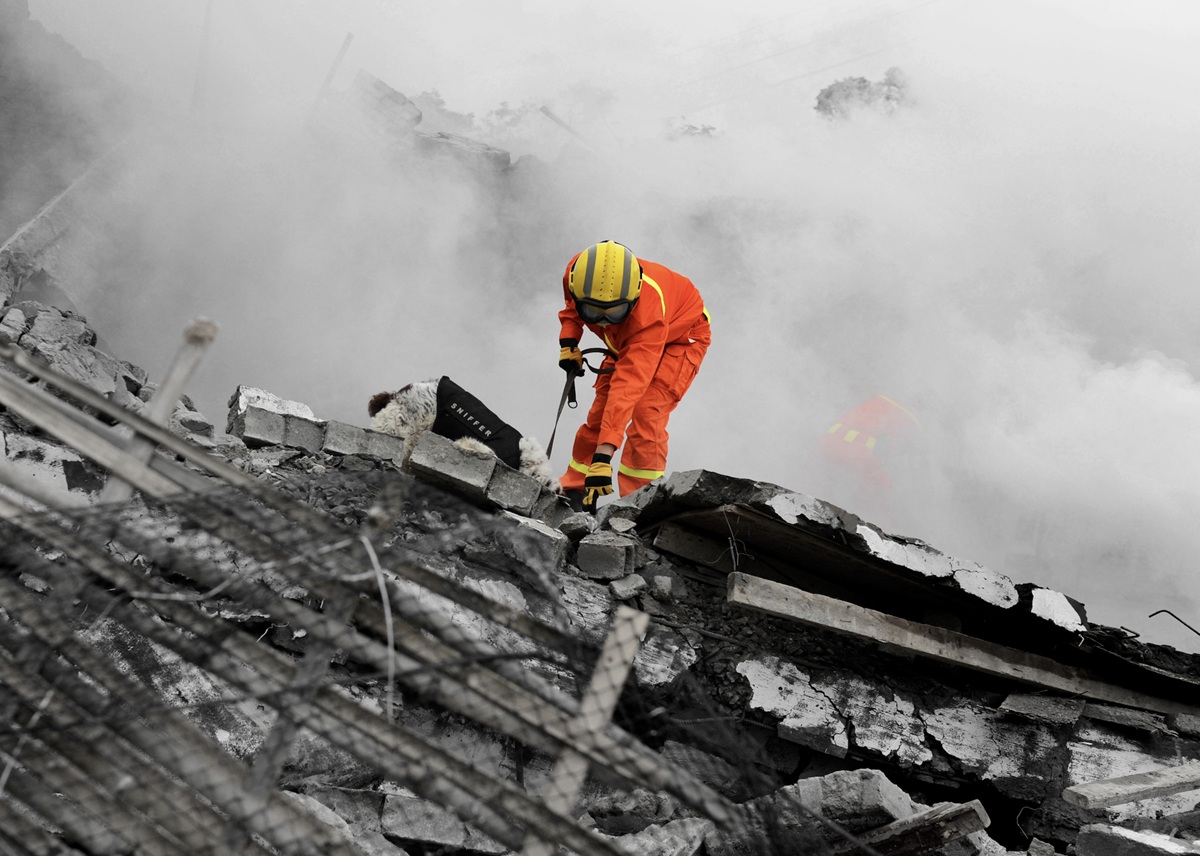
In December 2024, the issue of protecting affordable housing from earthquake risk has become more urgent than ever. The vulnerability of California’s aging buildings poses a serious risk to millions, especially those who rely on affordable housing. As seismic requirements become more stringent, the need to retrofit these structures grows, bringing attention to the critical link between public safety, social equity, and resilient housing.
Affordable Housing at Risk
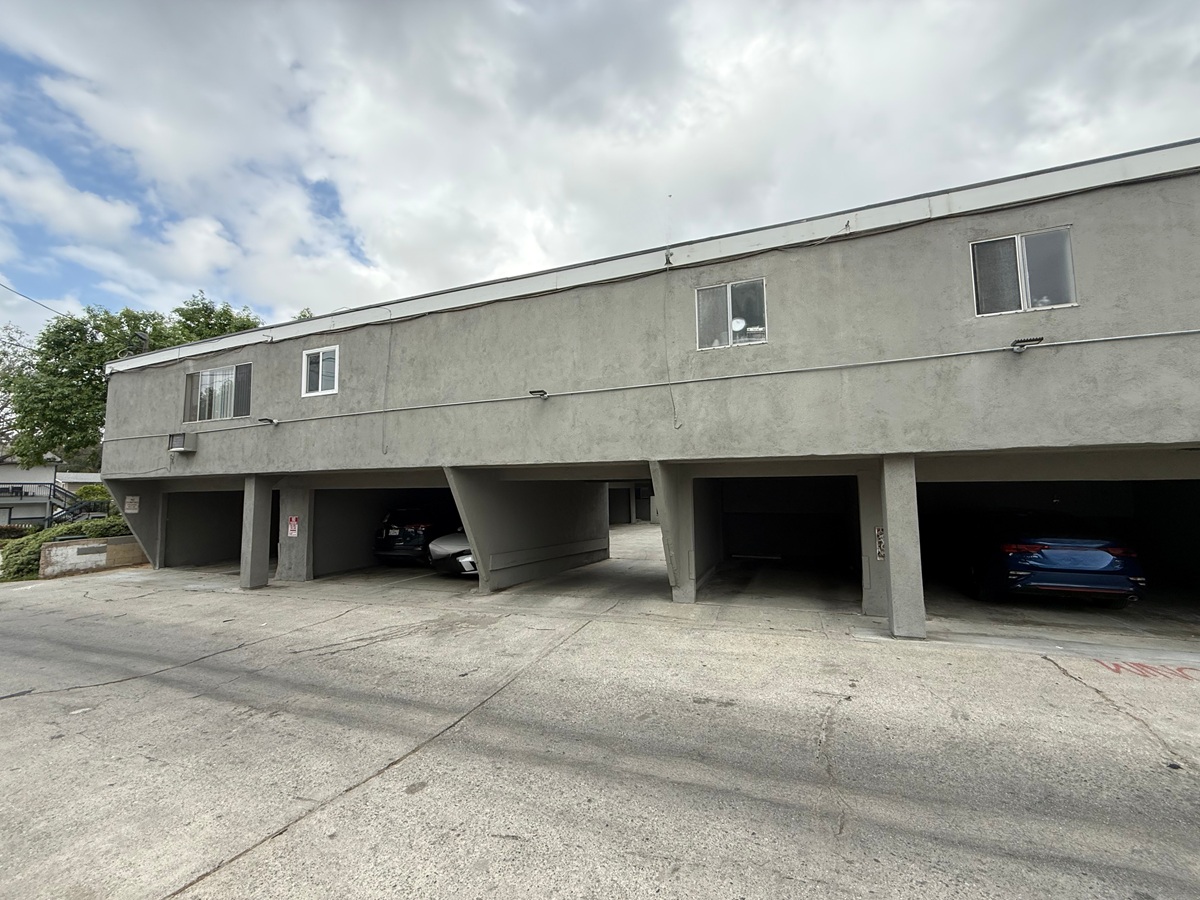
California’s older buildings make up a significant portion of the affordable housing stock in cities across the state, yet they are often at high risk for seismic damage. Many of these structures, especially those built before the mid-1970s, lack the stability required to withstand a significant earthquake. Soft-story apartments built over open parking spaces are particularly susceptible to collapse during strong seismic activity. Protecting this vulnerable housing is essential, as more than 1.3 million households in California, representing 22% of renters, qualify as extremely low income. These renters, many living at or below the poverty line, already struggle to afford basic necessities and often have no means to recover if their homes are lost in an earthquake.
The Social Justice Aspect of Seismic Safety
Studies continue to highlight the link between wealth, resilience, and safety in disasters. A 2024 study from the Journal of Public Economics points out that wealthier communities are better positioned to recover from seismic events, as these areas are often held to higher safety standards, while low-income areas tend to have older, more vulnerable buildings. To address this inequity, researchers emphasize the importance of government incentives and policies that support seismic retrofits in affordable housing. They argue that building safety is not just a technical requirement but a social necessity, as public safety should be accessible to all, not a privilege of the wealthy.
The Economic Case for Seismic Retrofits
For owners of affordable housing units, the initial cost of seismic retrofitting may seem prohibitive. However, studies show that retrofitting these buildings is far more economical than rebuilding them after a disaster. Seismic retrofits for a typical apartment unit range from $5,000 to $10,000 per unit, whereas replacing a lost affordable housing unit can cost upwards of $575,000. Given the rising demand for affordable housing and the risks posed by California’s seismic landscape, retrofitting these structures represents a critical investment in the long-term health and stability of the state’s housing infrastructure.
The Impact on Community Stability
A major earthquake near dense urban areas, such as Los Angeles or the Bay Area, could displace thousands of low-income residents if affordable housing units are not properly retrofitted. Such a loss would not only be a personal catastrophe for those residents but also a blow to the community’s economic stability. Families could be forced into transitional housing or even homelessness, intensifying California’s existing housing crisis and creating economic challenges for local governments as they attempt to respond to widespread displacement.
Incentives for a Safer Future
Policymakers, city leaders, and property owners are encouraged to work together to create programs that make seismic retrofits more accessible. This might include offering tax incentives, grants, and low-interest financing options to help property owners upgrade their buildings without passing costs onto tenants. These incentives would ensure that California’s most vulnerable populations are protected, not left at the mercy of the next earthquake.
Seismic retrofitting isn’t just about protecting buildings; it’s about safeguarding communities, economic resilience, and public welfare. If you own an older apartment building and want to protect both your investment and your tenants, consider a seismic assessment. Contact Optimum Seismic at 833-978-7664 or visit optimumseismic.com for a complimentary evaluation to learn how retrofitting can make your property safer and more resilient.