More than 60,000 vehicles pass daily over the new Gerald Desmond Bridge in Long Beach – a 2,000-foot-long expanse of cables and steel connecting downtown and the 710 freeway to the port.
Opened in October, it is built to accommodate taller ocean cargo vessels, which are expected to rise to nearly 205 feet – representing an additional six stacked containers from today’s standard height.
It was also constructed with earthquakes in mind.
Given the region’s history of quakes, engineers designed the structure to bend and sway with seismic shifting.
The two bridge towers and end bents retain elasticity and flex with earth movement to prevent damage or breaking. A series of 32 fused viscous hydraulic dampers were installed and designed to activate during an earthquake. They work like a car’s shock absorbers on a bumpy road.
A special seam in the roadway allows for up to six feet of movement to provide some added give, if needed. Also, each 515-foot tower is equipped with an internal pendulum to counter unwanted movement.
Finally, about 75 seismic sensors have been installed to allow for constant monitoring of the bridge to read vibrations and pinpoint potential damage.
“The concerns were earthquake faults to the north and south, and the prospect of liquefaction turning Terminal Island into a quagmire and 15,000 tons of new bridge into rubble if the Big One struck,” wrote Thomas Curwen of the Los Angeles Times.
Bringing the Past up to Code
Modern-day structures are built with the latest scientific and technological developments in mind.
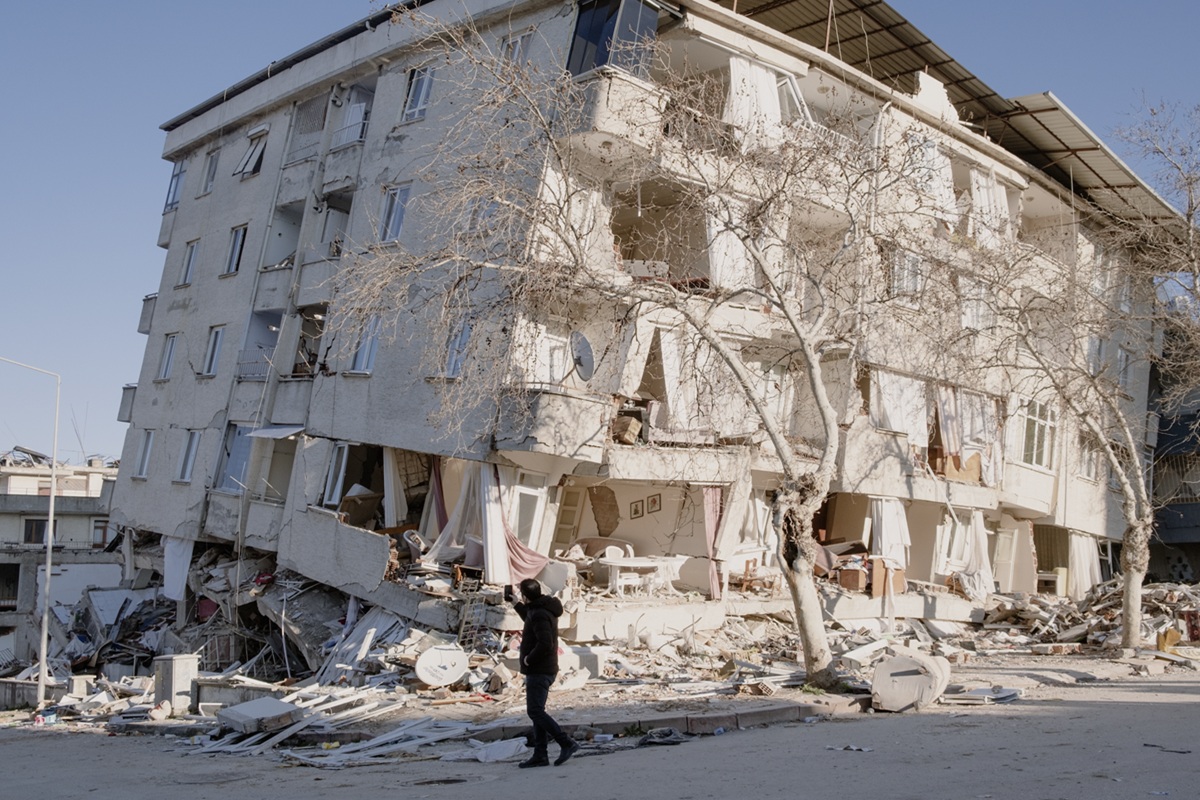
Unfortunately, the number of older, outdated structures far exceeds those constructed in the past few years.
The average age of a commercial building in the United States is about 50 years. Mixed-use development is about 75 years old on average, according to SMR Research Corporation. These structures were constructed in the 1950s to 1970s, and most of them are vulnerable to damage if in an earthquake prone region.
Mitigating risks to these structures can provide a high return on investment because of the potential to save lives and, when coupled with other upgrades, it can add to the life of a building and increase its value.
Important Webinar Series
Optimum Seismic has teamed up with a coalition of leading business organizations and government officials to launch a monthly webinar series, “The Resilience Advantage,” to help educate communities about the threats they face, and the approaches to take to avoid social and economic disaster. Each episode features a special video presentation on the subject plus a panel of recognized experts addressing risks, building safety, social concerns, and business and economic impacts.
These webinars can help property owners and businesses learn how to protect their investments, operations and employees, and make doing so a part of their business plan.
Partners in the series include the L.A. Area Chamber of Commerce, L.A. County Economic Development Corporation, Los Angeles County Business Federation and U.S. Resiliency Council.
Upcoming webinars will be held from 11 a.m. to 12:30 p.m. Thursday, January 21, and Wednesday, February 17 – with others planned throughout the year. For more information, visit optimumseismic.com/the-resilience-advantage. Earlier videos and complete webinars are also posted there for those who missed any of the series.
The economic benefits of earthquake resilience are impossible – and dangerous – to ignore. These webinars are a positive step to addressing the problem.