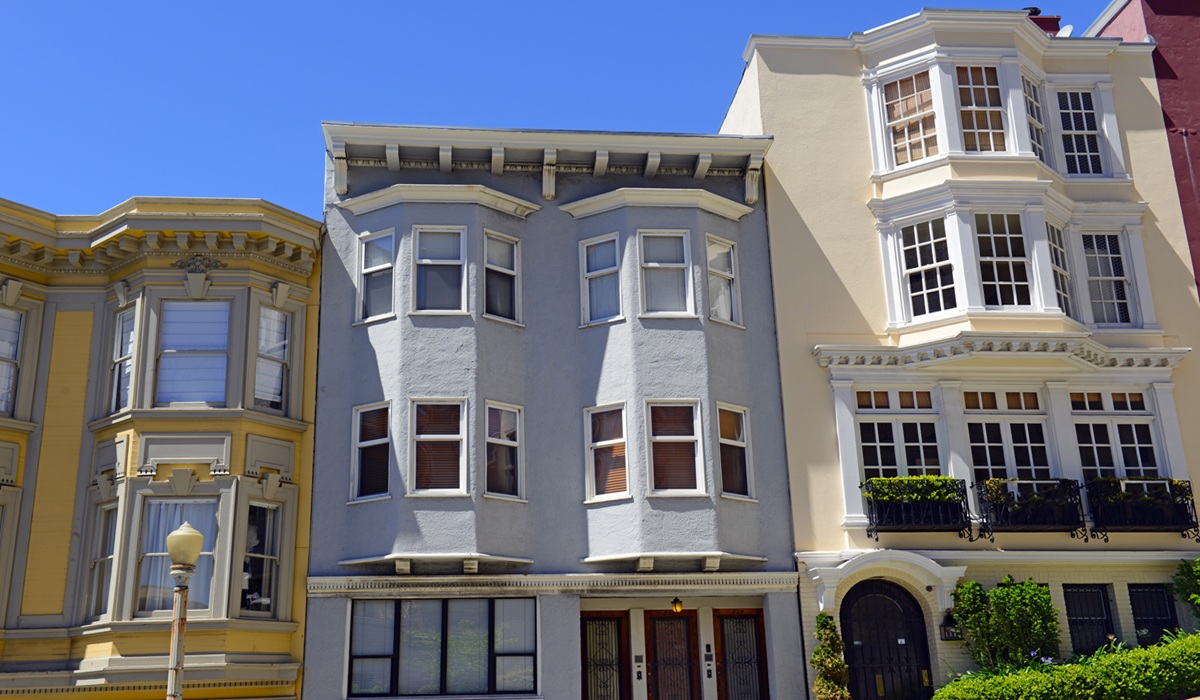
While a growing number of local governments in California have moved forward with seismic retrofit ordinances in the last decade, most cities still don’t have these important public safety laws in place.
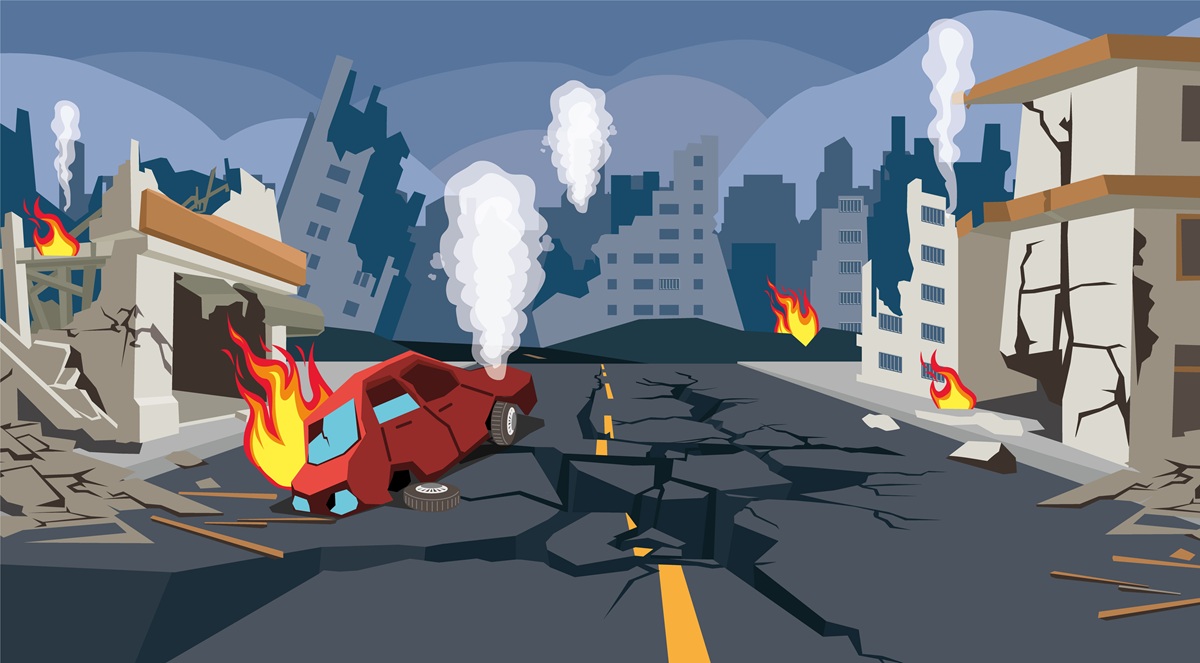
And since earthquakes can strike virtually anywhere at any time in California, communities which have not addressed seismic issues are running a great risk of immense property destruction and threats to lives in an earthquake.
Proactive steps that public agencies can take include an inventory of vulnerable properties to identify the types of risks facing the community and where they are located. Once the scope of the problem is known, the agency can select the best course of action to mitigate risks from a range of potential options, including both voluntary and mandatory retrofit ordinances.
In February, Los Angeles County took the first step toward a mandatory retrofit order for the types of concrete buildings that catastrophically collapsed in the devastating earthquakes that shook Turkey and Syria early this year. These structures lack sufficient reinforcing steel within the concrete frame, allowing chunks of concrete to explode from the columns when shaken, leading to a collapse.
The county Board of Supervisors voted unanimously to ask officials to prepare new rules that would require county-owned “non-ductile” concrete buildings, as well as any in unincorporated areas, to be retrofitted. A draft ordinance is expected to be presented to the board for a public hearing this year, according to a Department of Public Works spokesperson .
County supervisors also ordered officials to create an inventory of all soft-story residential buildings in unincorporated areas, where about 1 in 10 L.A. County residents live.
Other cities that recently took action include Culver City in _____and Torrance in March, 2023. A coastal suburb, Torrance passed an ordinance requiring soft-story, non-ductile concrete, tilt-up and steel moment frame buildings to be retrofitted. About 1,300 buildings may be affected.
“This has been a long time coming,” according to Torrance Councilmember Mike Griffiths, adding that the idea has been under discussion since at least 2018. “There is enthusiastic support to move this forward.”
Seismologist Lucy Jones recently told the Los Angeles Times she was heartened by the retrofit progress in Santa Monica, Los Angeles and other communities. “Every building that’s retrofitted is not going to be killing somebody.”
The renewed look at earthquake safety in Southern California comes after a 2013 Times report that focused on the city of Los Angeles and showed that officials knew about the deadly flaw of concrete buildings for decades yet did little to address it.
Once a retrofit law, is adopted and momentum builds, progress can come quite quickly.
In 2015, the Los Angeles City Council approved a landmark law requiring that property owners in L.A. retrofit non-ductile concrete and soft-story buildings.
As of June, 2023, L.A. city officials reported that more than 8,900 seismically vulnerable buildings had been retrofitted, out of more than 13,600. Of those, 8,854 soft-story buildings have been upgraded, as have 68 non-ductile concrete structures.
In October, 2022 an analysis by structural engineer Keith Porter — an expert on California seismic safety issues — calculated that Los Angeles property owners already had spent more than $1.3 billion retrofitting about 8,000 soft-story buildings.
Failing to retrofit and having to deal with the high cost of extreme damage after a quake, however, could be as much as 32 times more costly than investing in a seismic retrofit, when building repair, rental income disruption and other losses are included.