Should hospital buildings be required to meet safety standards to withstand a major earthquake?
It’s a question being raised throughout the state as the deadline approaches for hospitals and their outpatient buildings considered at “significant risk” of failure to be retrofitted for safety.
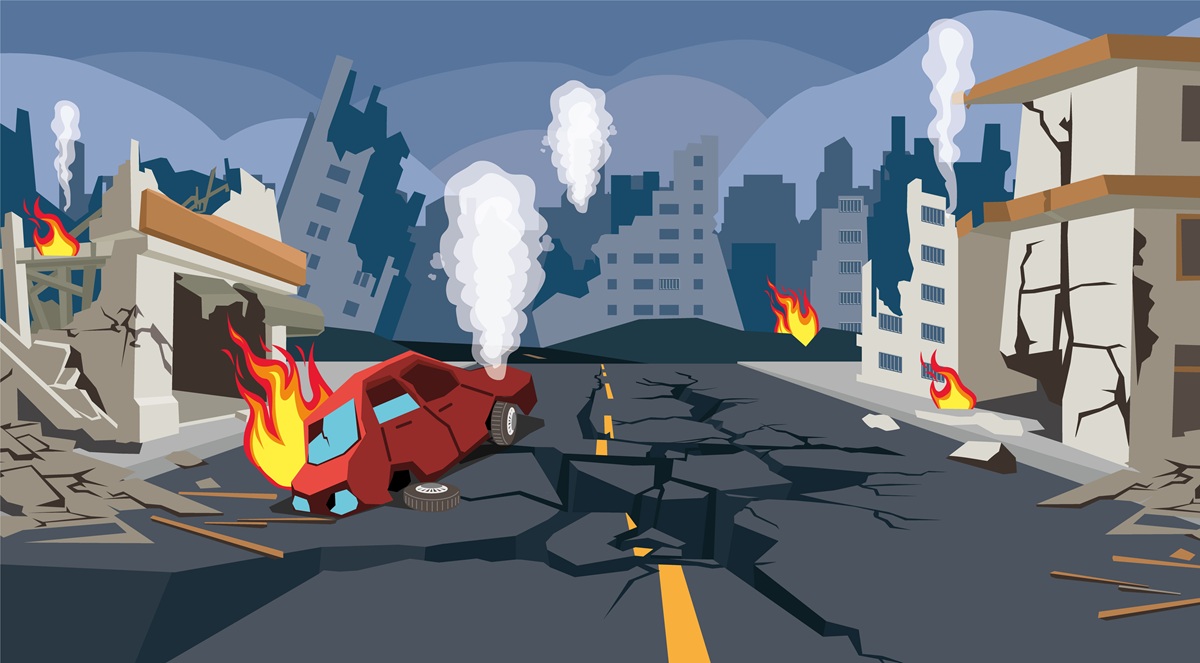
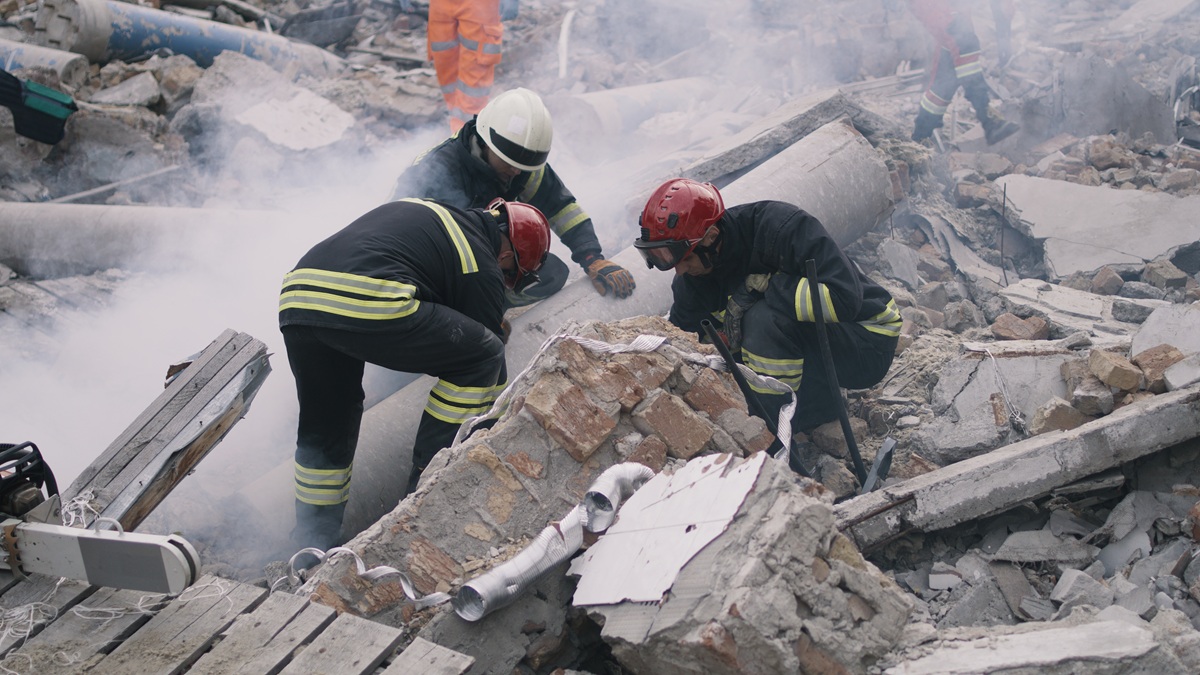
Many of us remember the devastating Sylmar quake of Feb. 8, 1971, which killed 64 people – most from the destruction of two local hospitals.
“Forty-nine people were killed at the San Fernando Veterans Administration Hospital, two of its buildings completely destroyed by the quake. Others died at Olive View Hospital… where four 5-story wings pulled away from the main building and three of them toppled,” the United States Geological Survey wrote in a 50-year anniversary piece this year.
It was, “The disaster that helped the nation prepare for future earthquakes,” the USGS asserted in the title of the piece.
The Sylmar quake led to legislation requiring all hospitals to meet building standards for earthquake safety. In Long Beach, most have complied, except for Community Hospital, which is expected to complete seismic retrofits in 2025.
At issue now, is a new requirement that by 2030 hospital outpatient buildings meet the same safety standards to survive and remain open after a major seismic event.
Opponents balk at the projected cost of these safety upgrades – but what is the cost of the lives inside the structures when the earthquake strikes? How much will be lost when a building is red-tagged – overhead costs for equipment, staffing, and office space continue to accrue but the revenue stream is frozen?
Finally, how much would be lost in the cost of demolition and reconstruction?
The Sylmar quake caused more than $500 million in damage, according to the USGS.
Critics scoff at the requirement projected at a “hypothetical” scenario, (an ironic response from an industry focused on the preservation of life and limb). But probability— calculating those “what if” possibilities – is the backbone behind risk analysis.
History shows – and scientists universally agree that an earthquake of epic proportions will strike California, and the odds of that increased up to five times the probability of earlier forecasts due to recent changes in fault stresses and significant seismic events in the past few years, the New Times reported in 2020.
The USGS now says there’s a 31% chance of a 7.5-magnitude quake striking California in the next 30 years. For perspective, the logarithmical scale of magnitude for earthquakes would put a 7.5 at 10 times the ferocity of a 6.5.
For those “smaller” quakes – those roughly the size of the devastating Sylmar (6.6) or Northridge (6.7) quakes – the agency predicts a probability of 60% in 30 years.
A magnitude-7.5 quake is a force probably no living Californian has experienced – let alone in the densely populated regions of our metropolitan areas today. (The Great San Francisco Earthquake of 1906 was calculated at a 7.8 magnitude.) And impacts of those in 6’s can rattle one’s nerves for a lifetime.
Investing in the resilience of our communities is socially and fiscally prudent in all aspects.
Lives spared, businesses and services kept open, and the tremendous costs of repairs and rebuilding avoided. There are countless studies available showing that it pays to be prepared.
Learn more about the hazards we face, and how people throughout the state are working to address them by watching The Resilience Advantage – an ongoing webinar series featuring experts addressing risks, building safety, social concerns, and business and economic impacts associated with seismic resilience of buildings. Our next webinar on the topic of Knowledge is Power: How Ratings Systems Deliver Resilience is on June 16 from 11 a.m. to 12:30 p.m.
For more information, visit optimumseismic.com/the-resilience-advantage. Past webinars are also posted there for those who missed any of the series.