Long Beach recently hosted more than a dozen listening sessions and four community town halls to engage residents in a dialogue about racial equity in this city.
More than 1,500 people participated in the discussions, and a series of steps will be taken in the months ahead to advance equity for all people in the community.
I tip my hat to local leaders for their attempts to bring everyone to the table on this matter – and to those who joined these meetings.
Leadership, when done right, is not easy. It requires honest inquiry – working in the face of complex and sometimes uncomfortable realities to determine the best outcome for the community.
These are difficult conversations. But they are necessary to bring about change.
Difficult conversations
Right now, the pendulum is swinging toward expanding views of the critically important topic of social justice.
In my industry, one thing that has troubled me is the disparity in building safety and how it is tied to socioeconomic conditions
Long Beach, perhaps without knowing it, has taken on this topic by assessing the community’s risks to major earthquakes.
The city served as the beta test site for California’s earthquake early warning system; it has taken steps recently to retrofit the Civic Center and Community Hospital for seismic safety; and it is preparing a comprehensive inventory of dangerous buildings in the city that may collapse in a major earthquake.
Knowing what buildings may fall in an earthquake is the first step to saving lives and protecting property.
How does that relate to social justice?
Socio-economic imbalance
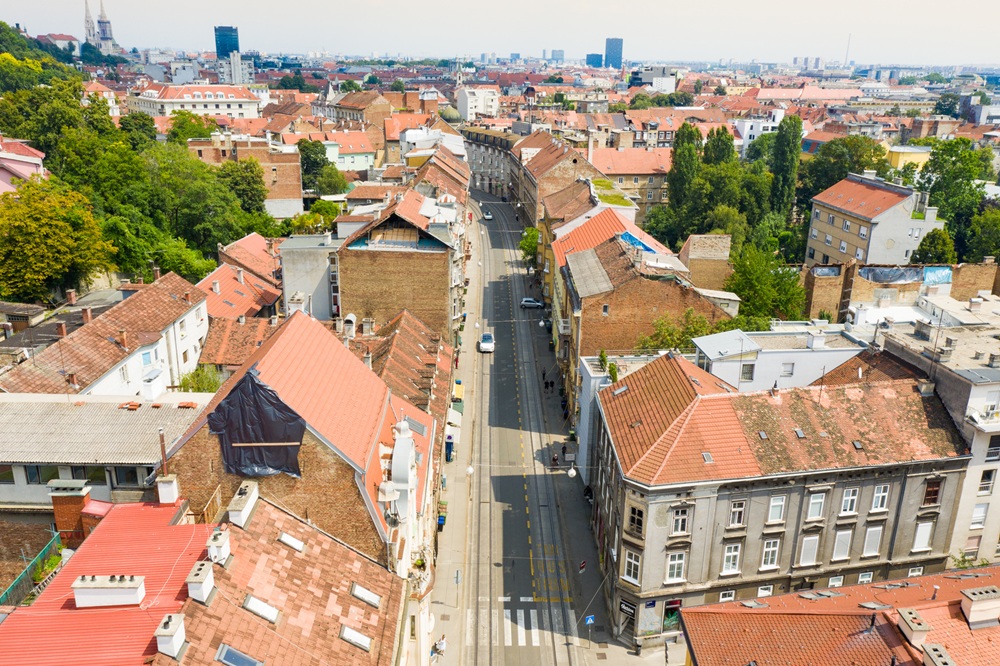
When it comes to earthquakes, older structures typically make up most of a city’s at-risk building stock, and much of that becomes affordable housing or commercial operations such as manufacturing, logistics and service-related industries.
These structures, because of their age, are more affordable to rent. But many types built in the mid-1970s or earlier – such as soft-story apartments built over open parking areas – can have structural deficiencies that put them at greater risk in a major earthquake.
That puts lower-income residents themselves at higher risk of injury in a quake.
It also increases the risk of these vulnerable populations being displaced in a disaster, and property owners losing their source of income.
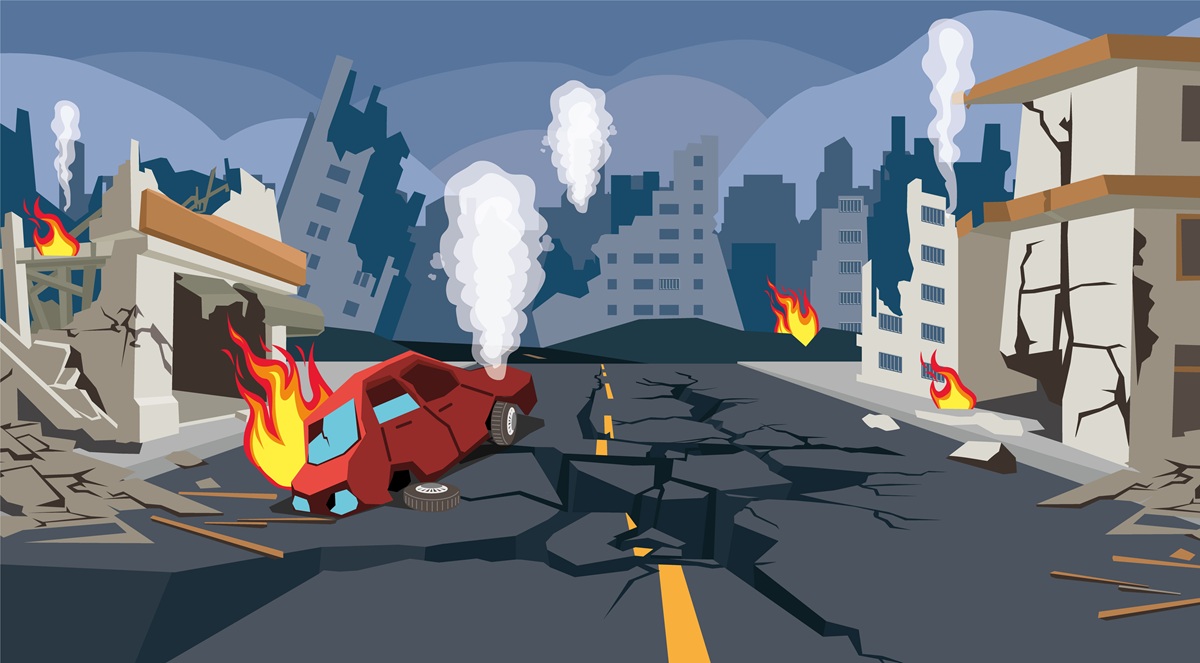
Should a major earthquake strike the Long Beach area – and one inevitably will happen someday – many of these structures may be lost if they are not made more structurally secure. Economic disruption may spread across the city as potentially thousands of people are left without a roof over their heads or a job to provide for their families, and are forced to leave the area, live in transitional housing, or face homelessness.
Buildings still standing after the disaster will be priced higher, due to demand, and will likely squeeze out many who were displaced. This impact was seen on a small scale when refugees from the 2017 fires in Napa and Sonoma counties were faced with a housing crisis. Those who were displaced fell victim to rent gouging. Families with children doubled-up with neighbors hoping to keep their kids in the same school district.
Building safety benefits everyone
Ultimately, identifying our most vulnerable buildings and retrofitting them for greater earthquake resiliency helps keep entire community and economy healthy. And that’s good for everyone.
An inventory of building earthquake safety is a key step in making the city safer. To understand the threats an earthquake poses to a community, we need to identify and quantify the extent to which buildings may be damaged – and then, do something to fix the problem.
Building safety benefits everyone, and we all deserve to live and work in earthquake resilient buildings.