Santa Monica is recognized as a leader in California earthquake safety, having retrofitted more than half of its seismically vulnerable buildings.
Ambitious efforts to upgrade several types of structures that historically have caused death and destruction during major earthquakes set the city apart as a model for communities starting to deal with the issue of improving public safety with seismic retrofits.
“It’s pretty impressive how many buildings were retrofit since 2017, especially considering that we were dealing with COVID in the middle of all that,” Patti Harburg-Petrich, former president of the Structural Engineers Assn. of Southern California, told the Los Angeles Times.
No city took more decisive action after the 1994 Northridge earthquake than Santa Monica. Despite being 14 miles from the epicenter, Santa Monica was hit hard — losing 1,500 apartments — or roughly 5% of the city’s stock.
A decade ago, it seemed that Santa Monica’s progress had begun to falter. Administrative action to order fixes to quake-vulnerable buildings had stalled. And by 2013, the city had misplaced the list it had created of buildings that might be at risk, The Times reported.
That report prompted a new look at seismic safety. By 2017, Santa Monica adopted one of the nation’s most extensive earthquake retrofit plans — ordering again that nearly 2,000 buildings suspected to be vulnerable in earthquakes be retrofitted.
In June 2013, city officials announced that 1,099 buildings identified as seismically vulnerable had complied with the retrofit law.
Of the city’s 1,964 buildings initially identified as vulnerable in a quake, five have been demolished. Updated figures show that 599 structures had previously been retrofitted or demolished, and since 2017, 500 more have been made compliant with the seismic safety law, representing 56% of the initial stock of earthquake-vulnerable buildings. An additional 865 buildings have not been retrofitted.
“We’ve made significant progress,” Ariel Socarras, Santa Monica’s building and safety manager, said at a recent City Council meeting.
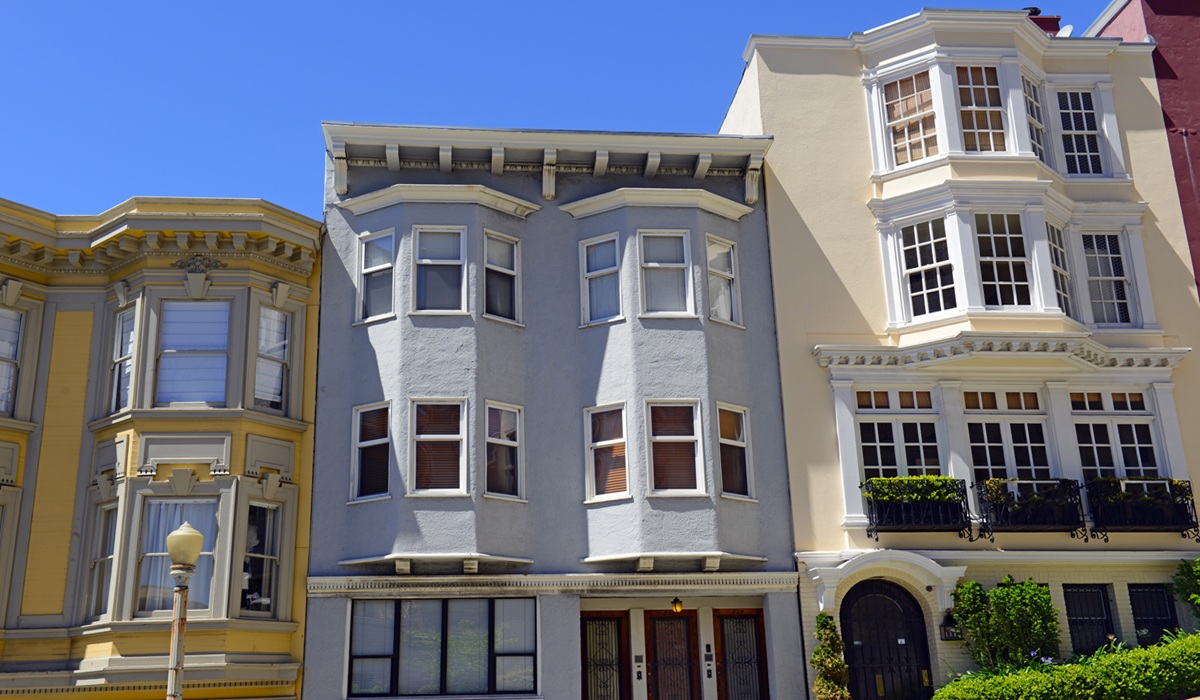
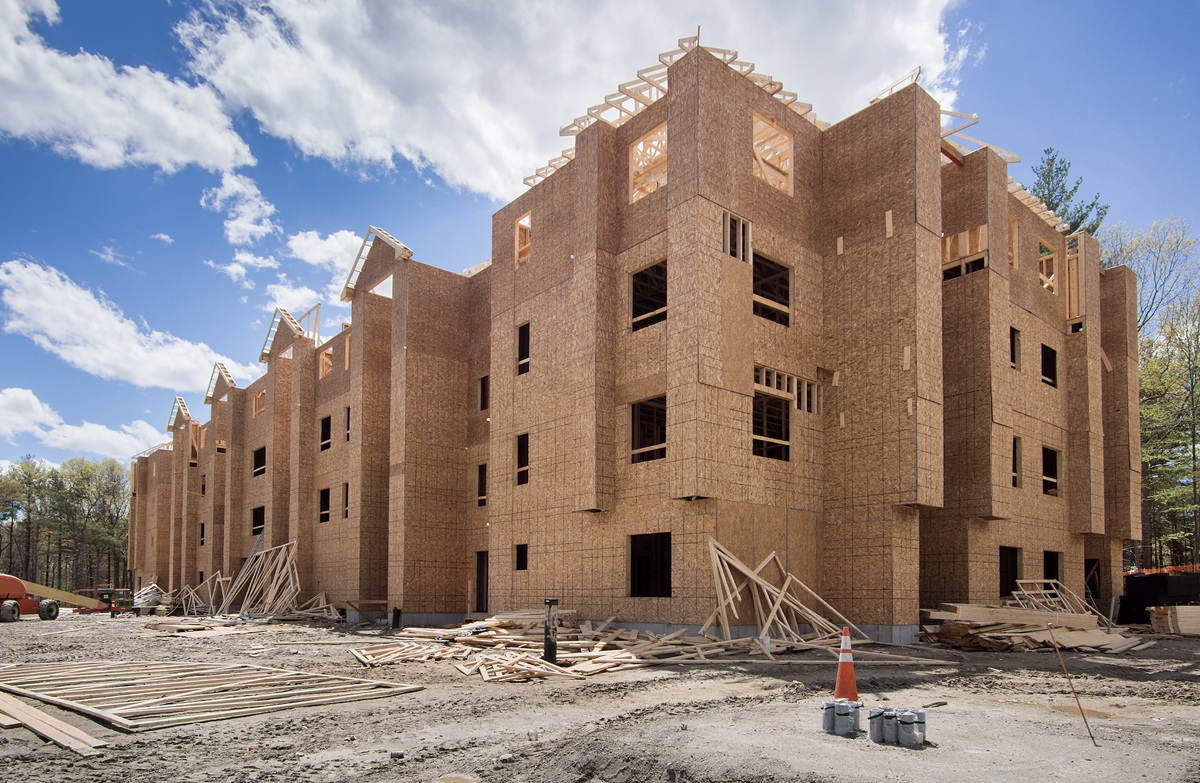
Substantial improvements have been made in retrofitting “soft-story” buildings. They are primarily wood-frame apartment buildings, with carport parking spaces on the ground floor, held up by skinny, flimsy poles that support the apartment units above them. In an earthquake, the top-heavy apartments can come crashing down.
During the Northridge quake, the collapse of one soft-story apartment building resulted in 16 deaths.
These soft-story structures can be retrofitted by installing a steel frame to support the ground story. Of 1,686 soft-story buildings, 495 were retrofitted before the latest law, and an additional 462 have been retrofitted in the last several years. More than 700 still have not been upgraded.
Santa Monica has until 2026 to upgrade its soft-story buildings.
In its most recent report, Santa Monica identified 80 steel moment frame buildings. Eleven have been retrofitted, and two have been strengthened since the latest retrofit law. The deadline is 2037.
Santa Monica officials also found that a little more than half of the city’s identified non-ductile concrete buildings have been retrofitted. Of the 66 buildings in this category, 32 have been upgraded and three others have been strengthened since the latest retrofit law. The deadline is 2027.
Deadlines have passed for retrofit of unreinforced masonry buildings, or brick buildings, as well as for concrete tilt-up buildings such as warehouses — built by tilting up concrete walls that had been made on the ground and attaching them to a roof. They can collapse if the walls pull away from the roof when shaken.
Of Santa Monica’s 90 unreinforced masonry buildings, 72 are compliant with the city’s ordinance; 18 remain to be retrofitted. For tilt-up buildings, of 42 that were identified, 22 are compliant.
“There’s quite a few that still aren’t in compliance,” said Santa Monica Councilmember Caroline Torosis. “We’ve seen these pretty destructive earthquakes happen recently. I think we know that this could happen here. We’re on a fault line.”
There are various estimates for how much building retrofits can cost. In general, the smaller the building, the lower the bill. In 2017, Santa Monica estimated a cost of $5,000 to $10,000 per unit to retrofit a typical soft-story building and $50 to $100 per square foot for non-ductile concrete and steel buildings.
Failing to retrofit can leave apartment owners dealing with the high cost of extreme property damage, deaths, injuries and liability costs after a quake. These costs can be as much as 32 times more than investing in a seismic retrofit, when building repair, rental income disruption and other losses are included.