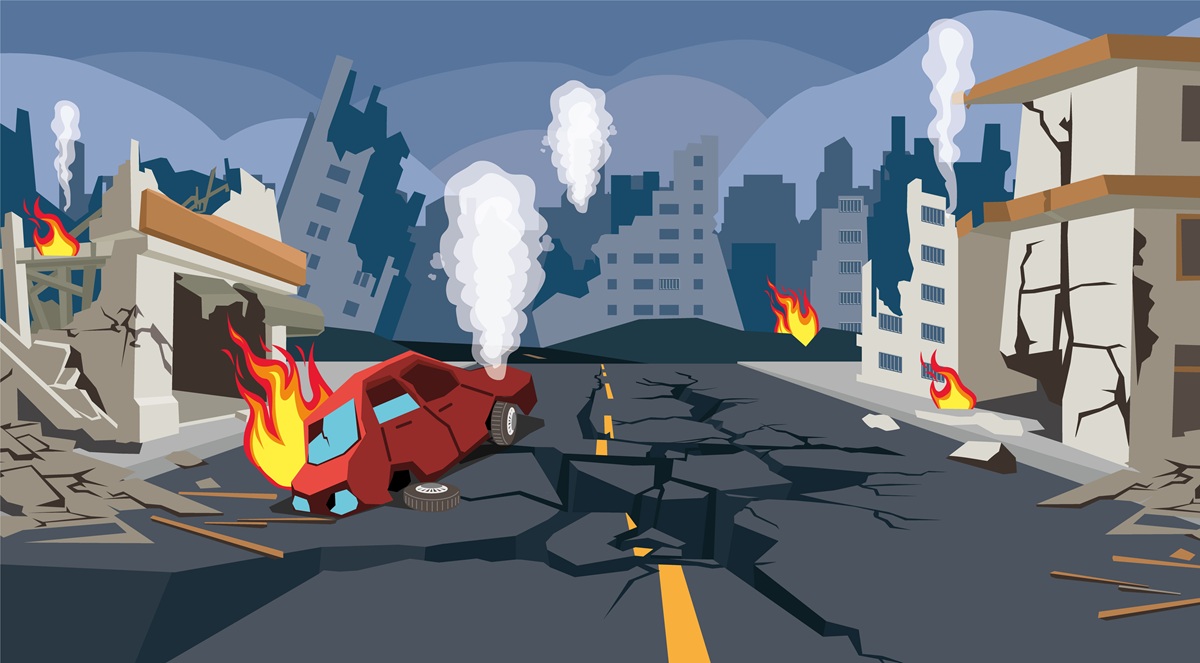
Earthquakes have inflicted pain and damage on Long Beach and surrounding communities in past decades.
A recent Resilience Advantage webinar touched on milestones in the Long Beach resilience story — the 1933 earthquake, state legislative changes following the earthquake, the new resilient City Hall and Port buildings, and the new Long Beach bridge. Mayor Robert Garcia spoke of plans to inventory potentially hazardous buildings in the community.
An expert panel stressed the importance of making communities more resilient benefits everyone by preserving jobs, housing, vital services and the local economy, and how the private and public sectors are working together to reduce serious damage that can be caused by California’s greatest natural hazard – earthquakes.
Program Champions for the February webinar episode were the Long Beach Area Chamber of Commerce and California Building Officials (CALBO).
Earthquake risks threaten apartments
Nobody knows where or when the next major earthquake will strike, but certain types of buildings are more likely to suffer damage from seismic shaking. That’s why it is wise for apartment owners and managers to have buildings inspected to identify each structure’s unique strengths and weaknesses.
Building failure is the primary cause of death, injury, and property loss suffered from earthquakes.
Many structures considered safe 25 or more years ago have now been proven to be vulnerable to the violent ground movement experienced in a major quake, and scientists and engineers have pinpointed five main building types that present overwhelming risk to building owners, tenants and the communities served either directly or indirectly by those structure.
Vulnerable buildings may crumble
Officials estimate there are as many as 300,000 structures standing today that could crumble or collapse in an earthquake. In Southern California, these numbers equate to one in every 16 buildings, a USGS assessment determined.
In fact, buildings in the Greater Los Angeles area (which encompasses much of the Southern Cities region) have up to a 5 percent chance of being damaged by an earthquake this year, according to the United States Geological Service.
These vulnerable structures include but are not limited to:
- Soft-story structures built before 1978
- Unreinforced masonry built before 1975
- Concrete tilt-up built before 1994
- Non-ductile concrete built before 1977
- Steel moment frame built before 1996
If your building falls within one of these categories, you should consider getting an engineering study to assess the structure’s unique circumstances, which includes not only structural design and composition, but also soils composition and proximity to nearby fault lines.
The benefit of knowing your risks
An engineering study of your property can help you clarify risk and calculate the type of action needed to guard your building and tenants against harm in a major earthquake. Optimum Seismic can provide a complimentary property assessment to get you started.
This step may ultimately lead to structural upgrades that can help to:
- Protect your building’s equity
- Guard against liability
- Preserve your building’s cash flow
- Avoid demolition costs
- Qualify a structure for earthquake insurance
- Enhance the overall value of the property
Most apartment owners have worked very hard for their property. Many rely on their income property for retirement, and it’s definitely wise to protect it.
Keep yourself informed about the potential risks of earthquakes to your building, and your own fiscal health and well-being.
Learn more about earthquake risks, building safety, social concerns, and business and economic impacts of seismic resilient buildings by watching The Resilience Advantage webinar series. There is no cost to attend. Optimum Seismic has teamed with a coalition of leading business organizations officials to present information to help building owners and managers make informed decisions.
The next webinar, which is entitled “Sustainability & Resilience – A Natural Connection,” is from 11 a.m. to 12:30 p.m. Wednesday, April 21. For more information, visit optimumseismic.com/the-resilience-advantage. Past webinars are also posted there for those who missed any of the series.
Visit optimumseismic.com for more information, or call us at (323) 978-7664.