Concern over safety prompted closure in 2018. Is your building safe?
Long Beach Community Hospital reopened this year after being shut down in 2018 out of seismic safety concerns.
Worry over the safety of the building prompted its closure, but the facility reopened in January and was expected to open its emergency room this month – following extensive retrofit work to make it structurally sound.
The hospital is nearly a hundred years old and like much of the city, it sits on top of a seismic fault.
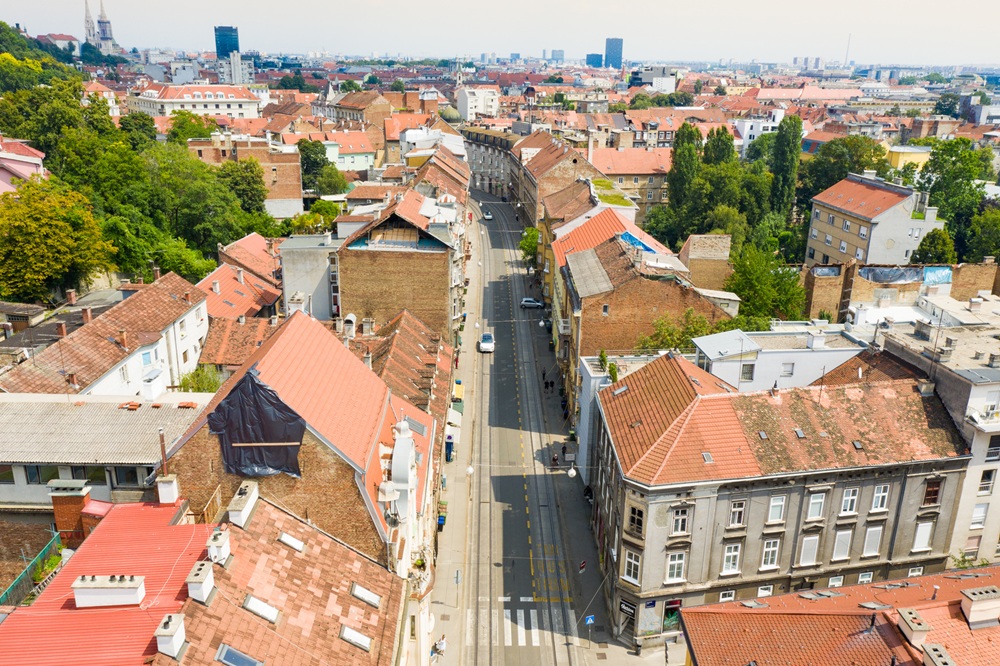
This can prove to be a deadly combination. Older structures were not only built prior to modern codes, they also suffer from years of wear which can increase the danger of damage or collapse.
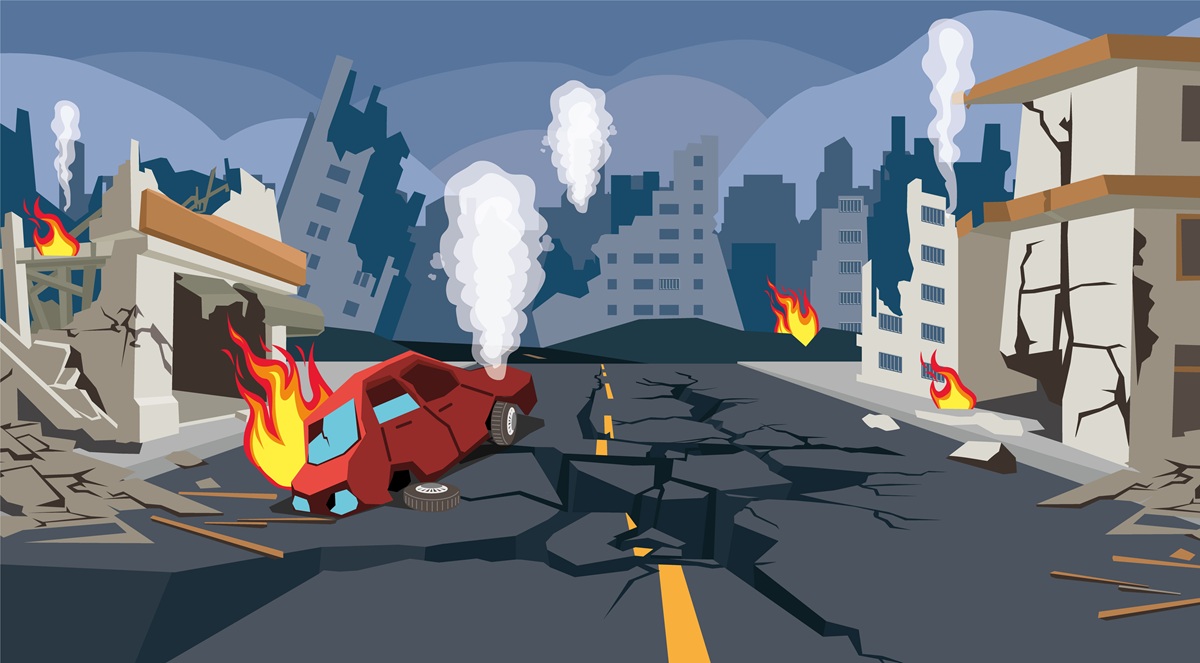
People get injured in earthquakes because a building façade, wall, parapet, ceiling, or other part of the structure collapsed when stressed to the breaking point by violent ground movement caused by the quake.
Whether it’s the compression of the earth from P waves, the undulation of S waves, or fast-moving surface waves (the most destructive type) — buildings must be able to absorb and distribute the energy transmitted by these waves, or they break, usually in their weakest spot.
Why does this matter?
Never before have we understood so much about the structural vulnerabilities of our buildings, and how to fix them.
Here in California, five basic building types have proven to be vulnerable to failure in an earthquake:
Soft-story: Extremely popular as a means of conserving space, these structures with open ground floors used for parking are vulnerable because they lack the support to withstand lateral forces that push the building from side to side. The swaying can cause the first floor to collapse, and the upper floors to pancake on top of it
Tilt-up: Tilt-up construction began in the early 1900s, and really caught on during the post-World War II construction boom. The walls of a concrete tilt-up building can weigh between 100,000 and 300,000 pounds. Many tilt-up structures built prior to the late 1970s were constructed with limited or weak connections that have been proven to fail in an earthquake, causing severe damage and/or collapse.
Non-Ductile Concrete: Non-ductile concrete buildings prior to 1978 are characterized as having concrete floors and/or roofs supported by concrete walls, columns and/or frames. These buildings make up the majority of earthquake losses around the world because they typically attract large numbers of people: thereby increasing the potential for death and injury.
Steel Moment Frame: Steel moment frame construction dates back to the 1880s with the very first skyscraper, the Home Insurance Building in Chicago, but this building technique was most commonly used from the 1960s to 1990s. These structures, when built before the lessons learned in the 1994 Northridge earthquake, can sustain brittle fracturing of steel frames at welded joints between the beams and the columns.
Unreinforced Masonry: Unreinforced masonry buildings make up many of the older structures typical in downtown communities. Most have undergone seismic retrofitting as required by a California state law enacted in 1986, but there are literally thousands that have yet to be retrofitted.
Learn more at our webinar series
Optimum Seismic has teamed up with a coalition of leading business organizations and government officials to launch a monthly webinar series, “The Resilience Advantage,” to educate communities about the threats they face, and the approaches to take to avoid social and economic disaster. Each episode features a panel of national experts addressing risks, building safety, social concerns, and business and economic impacts.
The next webinar entitled “Retrofits Protect Investments, Improve Safety” is from 11 a.m. to 12:30 p.m. Wednesday, March 17 – with others planned throughout the year. For more information, visit optimumseismic.com/the-resilience-advantage. Past webinars are also posted there for those who missed any of the series.