Increasing density of urban areas and climate change are leaving many communities more vulnerable than ever to earthquakes, fire, flood, and hurricanes.
In 2020, the United States experienced a record-breaking level of disasters leaving a billion dollars or more in damages, according to the National Centers for Environmental Information. The costliest were Hurricane Laura ($19 billion), wildfires in the West ($16.5 billion), and the August wind storm that spread across the Midwest ($11 billion).
A major earthquake could cost $252 billion
There is a terrifying 46% likelihood that a major quake of magnitude 7.5 or greater will strike California in the next 30 years – and a 99% chance that a 6.7-magnitude quake, (the same size as the disastrous Northridge earthquake of 1994), will rattle the state in the next 30 years.
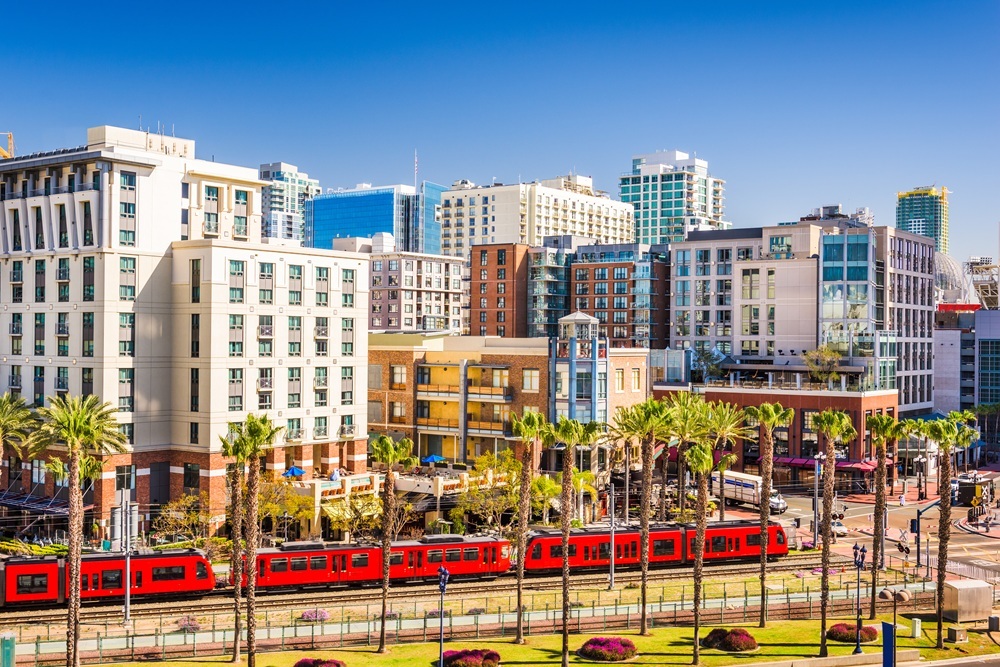
A 6.9-magnitude earthquake along the Rose Canyon fault in San Diego would devastate the city, according to the Earthquake Engineering Research Institute, which projected these losses:
- 45% of all residential buildings damaged
- 23,000 residential units severely or completely damaged
- 36,000 households displaced
- 40% of commercial and industrial buildings damaged, (20% extensively or beyond repair)
- $38 billion in damage
- $5.2 billion in lost income
“While most newer buildings, particularly single-family residences, can be expected to survive the scenario earthquake with repairable damage, many larger and older buildings can be expected to be more severely damaged and potentially unsalvageable,” the study said.
Preparedness: more cost-effective than emergency response
California has taken a leadership role in the U.S. in guarding against disaster, but it is enough?
Statewide fire hazard mapping and Chapter 7A building codes require changes in how structures are built to protect them against wildfire. Tempered glass, screened vents and non-flammable materials can dramatically increase the chances of a building surviving a fire.
Similarly, we know how to protect our vulnerable structures from earthquakes, and a growing number of governments are acting to ensure the work is done.
Several municipalities have adopted retrofit laws requiring that older, vulnerable structures be fortified to withstand an earthquake. That includes: San Francisco, Los Angeles, Berkeley, Richmond, Freemont, San Jose, Oakland, Alameda, Beverly Hills, Santa Monica, and the counties of Los Angeles and Santa Clara.
These local ordinance require retrofits of soft-story structures – iconic wood-framed apartment buildings with tuck-under parking and units built above. These buildings are known to buckle and collapse under major seismic stress.
Earthquake retrofits protect investments, save lives, preserve much-needed housing, ensure that businesses can remain open in an emergency, and enable communities to snap back after a major earthquake – to protect and preserve quality of life for all.
Act now to protect your apartment building from being one of the loss statistics cited by the EERI report.
Take the first step to determining your building’s risks by calling Optimum Seismic at 833-978-7664 for a complimentary assessment of your building’s structural safety.