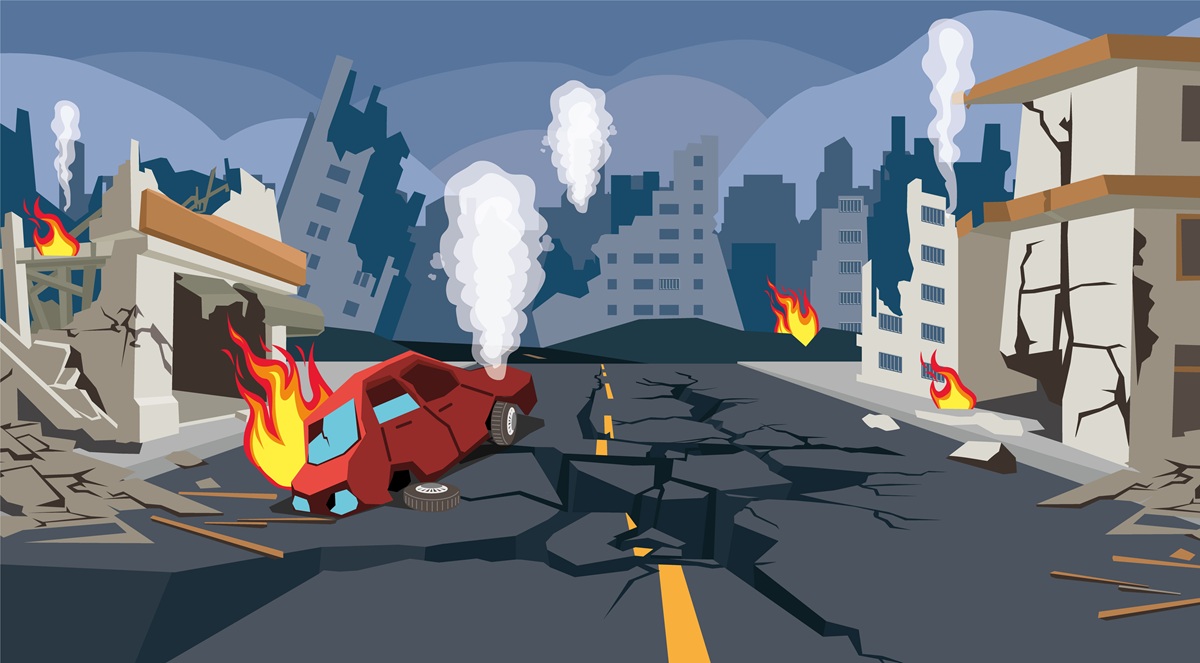
The surfside condominium building that collapsed just north of Miami shares similarities to some older high-rises here, Long Beach Building Superintendent David Khorram told media representatives shortly after the June 24 disaster.
The Florida building was built about 40 years ago, and there are many mid- and high-rise residential buildings that age in Long Beach, he told Fox 11 News.
“We are following what is going on in Florida closely,” he said, noting that his inspectors will be seeking out the kinds of problems tied to the condo failure. “The building was there for 40 or so years, and while the collapse was sudden, the cause probably wasn’t.”
The cause of that collapse, at the time of this writing, had not yet been determined. But some say it may be attributed to construction or engineering defects, the erosion of steel caused by the salty ocean spray, or years of water seepage from hurricanes, rain, and possibly a pool. An engineer found evident of major structural damage beneath the pool deck and “concrete deterioration” in the underground parking garage in a 2018 inspection report.
Scientists in the region have also long noted the risk of building on the shifting sands of a barrier island like Miami Beach, especially with rising sea levels.
Making buildings safe from natural threats
Every region has its disaster triggers: hurricanes, tornadoes, flooding, wildfire, and of course, earthquakes.
Water damage is a major concern in Florida, which tops the list in terms of hurricane frequency in the U.S.
And all along the West Coast, earthquakes are the problem.
New structures are built to withstand these threats, based on the latest in science and engineering.
But what about the buildings like the Champlain condos, which were constructed 40 years ago, or more?
Here in California, multiple earthquakes strike every day. Every few years brings a reminder of the terror of our vulnerability – horrifying disasters that should serve as wake-up calls to everyone.
California knows full-well the types of buildings most vulnerable to damage in an earthquake.
Several cities and counties have adopted mandates requiring at least some of these structures to be retrofitted for safety. This includes: Alameda, Berkeley, Beverly Hills, Burbank, Fremont, Los Angeles, Los Angeles County, Oakland, Pasadena, Richmond, San Francisco, San Jose, Santa Clara County, Santa Monica, and West Hollywood.
These vulnerable structures include but are not limited to:
- Soft-story structures built before 1978
- Unreinforced masonry built before 1975
- Concrete tilt-up built before 1994
- Non-ductile concrete built before 1977
- Steel moment frame built before 1996
What are your risks?
If a 7.8-magnitude earthquake were to strike along the San Andreas Fault today , one in every 16 buildings in the region would be damaged, according to the United States Geological Survey. Other USGS projections for this scenario include: 1,059 deaths, 453 serious injuries, 13,454 “non-fatal” injuries, 121,339 displaced households (3.5 million individuals).
Would your apartment building will still be standing?
If you own a building that you believe may be vulnerable to damage – or if you live or work in one – it’s important to educate yourself on cost-effective measures that can be taken to save lives, protect property, and preserve the well-being of the community-at-large.
Understand the risks you face, and learn what can be done about them. Call Optimum Seismic at 833-978-7664 for a complimentary building evaluation today.