July 2021 Newsletter

Ali Sahabi, GEC
Principal,
Optimum Seismic, Inc.
Florida condo collapse must lead to expanded structural resilience
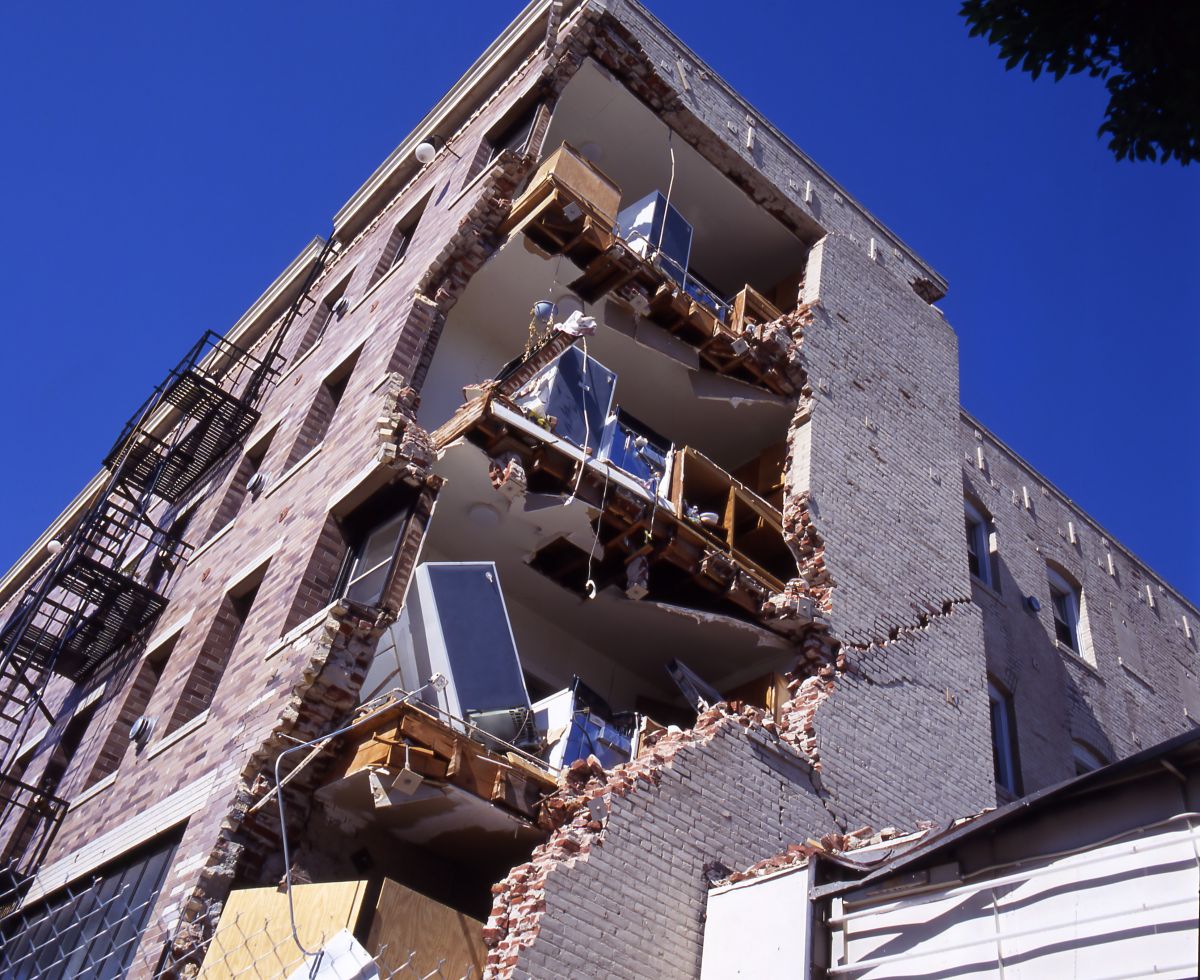
Florida’s condo collapse tragedy has shaken and surprised us all. The Seaside mayor said, “You don’t see buildings falling down in America.”
True, our buildings are among the safest in the world, but in reality California alone has an estimated 100,000 older multifamily housing structures — home to as many as 2.5 million people — at risk of collapse in a major earthquake. As we grieve this disaster, Californians should reflect on our history of earthquake disasters and act now to avoid similar calamities. If so, our future can be safer and more resilient. Our hearts go out to the victim of this tragedy. To help, click here for a list of charities offering support.

Florida tragedy underscores threat of building vulnerability
It will take some time to determine the cause of the June 24 condo collapse in Florida. The tragedy has rattled the nerves of communities throughout the nation, with many calling for more stringent government oversight to address the vulnerabilities of older buildings.
Read More >>

Webinar to address policies needed before disasters
The Resilience Advantage webinar will explore “Policy Options for Before Disaster Strikes” on July 21. Improving building resilience takes public education and policies that balance safety, protecting our economy, and cost. Join us to hear leading experts discuss what is needed to make businesses and communities more resilient to disasters.
Read More >>

Ridgecrest earthquakes could cause a San Andreas chain reaction
The 2019 magnitude-6.4 and magnitude-7.1 Ridgecrest earthquakes were largely unforeseen. They struck on faults that had not been mapped, and, in a rare order of events, the larger quake followed 34 hours after the smaller one. Fortunately, these large shocks occurred in the remote southern California desert, so caused no deaths and only modest damage.
Read More >>
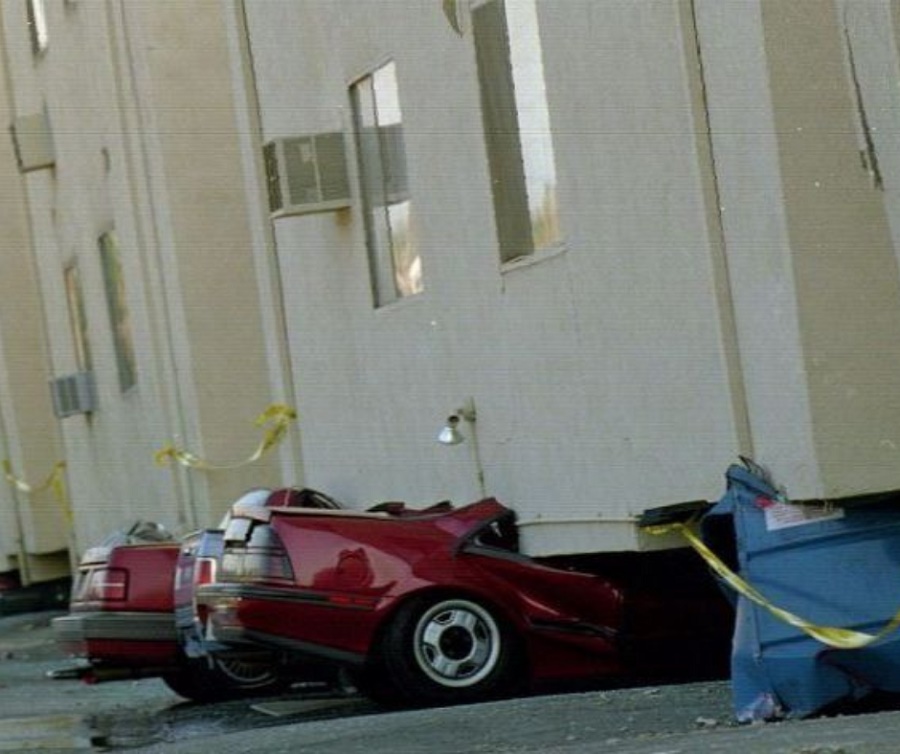
Report: California 80 years overdue for ‘The Big One’
California is long overdue for an earthquake 44 times larger than the Northridge Temblor — with the ability to cause $200 billion in property damage, deaths of 1,800 people plus untold injuries. How do recent quakes striking the state along the 800-mile San Andreas fault affect those odds?
Read More >>

Seismic resilience for hospitals can save lives, money
Should hospitals meet safety standards for major earthquakes?
It’s a question heard throughout the state as the deadline approaches for at-risk buildings to be retrofitted for safety. Opponents balk at cost estimates — but what is the cost of lives inside the structures? How much will be lost if hospitals can’t serve communities?
Read More
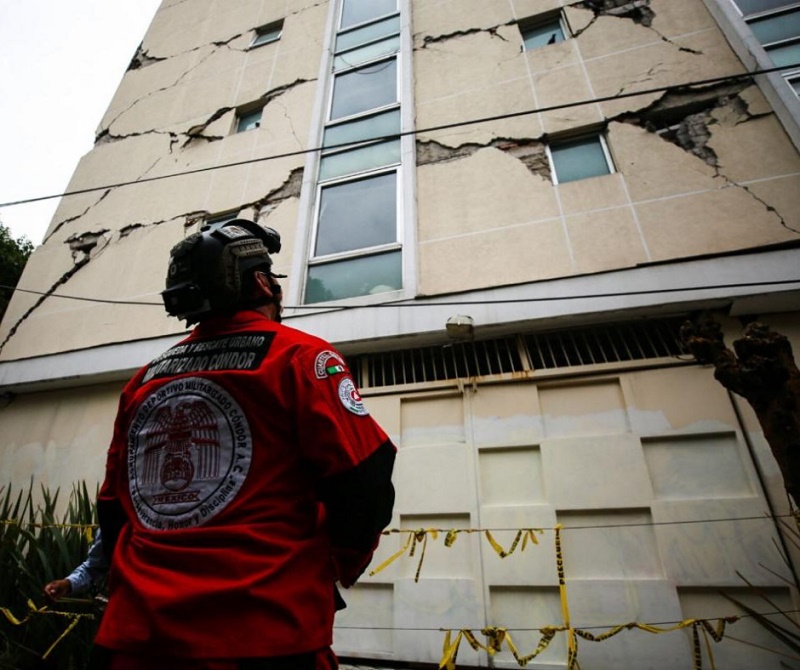
State’s earthquake warning system
California’s earthquake early-warning system, is not as integrated into our infrastructure as it could be when compared to nations such as Japan and Mexico, Our system is also not yet as universally understood — whereas systems in other countries, are part of everyday life.
Read More
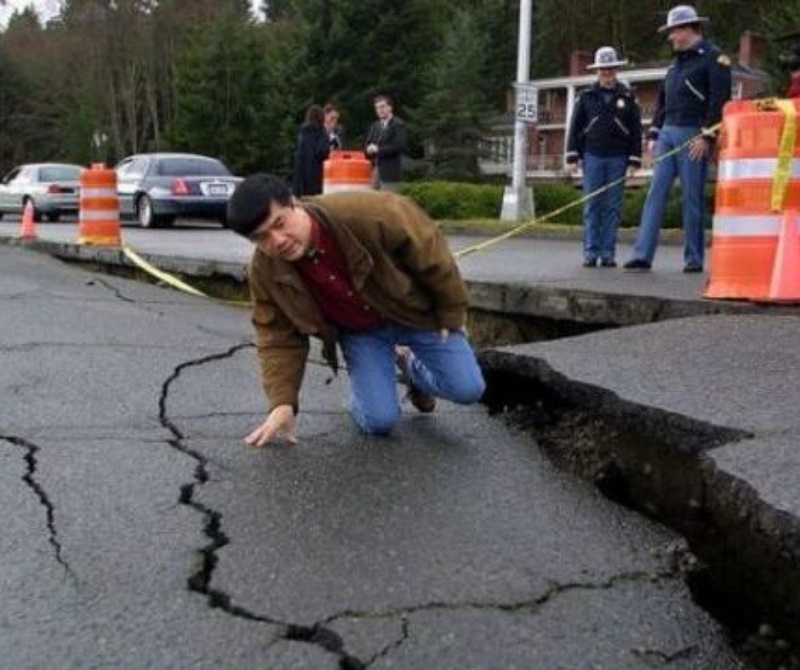
Earthquake ‘Q&A’ explains science of plate tectonics
Californians have no doubt seen warnings about a major earthquake in headlines, textbooks, and movies. But to prepare for a quake, it helps to know what it is. Geophysics professor Julian Lozos describes it as “a zipper unzipping.”
Read More

Balloon based tech may study Venus quakes in future
Instruments in a balloon above California have detected an earthquake. Similar systems may be used to study quakes on
Venus. Scientists believe temblors are a valuable tool to understand how planets are built and function.
Read More

Upcoming Events
Several Earthquake Retrofit sessions for apartment owners and monthly Resilience Advantage webinars are scheduled by Optimum Seismic to help protect our communities. Check the Optimum Seismic website for details.
Click Here