
OPTIMUM SEISMIC, INC.
February 2026 NEWSLETTER
Turning Earthquake Data Into Safer Communities

Ali Sahabi, GEC
Principal,
Optimum Seismic, Inc.
The Berkeley Seismological Laboratory at UC Berkeley continues to advance earthquake safety through cutting-edge research and monitoring. Its statewide seismic network works with the U.S. Geological Survey to track ground movement and issue public alerts. One of its most impactful tools, the MyShake app, provides real-time early warnings that give individuals, schools, and transit systems valuable seconds to take protective action before strong shaking begins.
While early warning systems help reduce injuries, building performance remains critical during major earthquakes. For apartment owners, proactive seismic retrofitting is one of the most effective ways to reduce structural risk, protect tenants, and preserve long-term property value. Preparing before the next event is essential in a seismically active region.
Major quakes are just as random as smaller ones
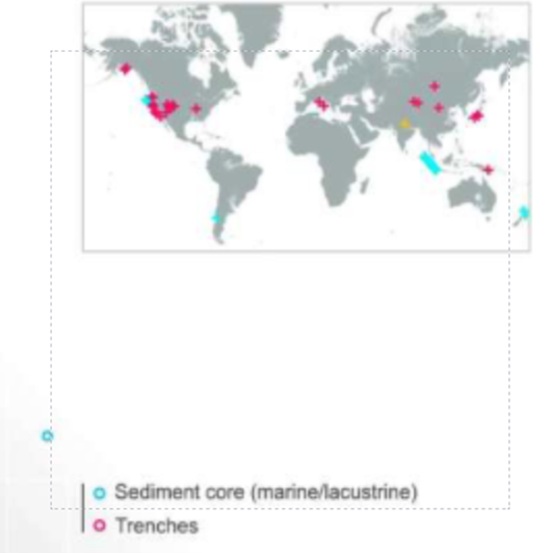
For obvious reasons, it would be useful to predict when an earthquake is going to occur. It has long been suspected that large quakes in the Himalayas follow a fairly predictable cycle, but nature, as it turns out, is not so accommodating. A new study published in the journal Science Advances shows that massive earthquakes are just as random as small ones. A team of researchers led by Zakaria Ghazoui-Schaus at the British Antarctic Survey reached this conclusion after analyzing sediments from Lake Rara in Western Nepal.
Read more

Yellowstone’s earthquakes spark microbial boom deep underground
With some luck, specialized equipment, a supervolcano and a narrow hole 30 stories deep, researchers demonstrated that earthquakes shake up more than just rocks—they also boost microbe populations living underground.
Up to 30 percent of life on Earth doesn’t ever see sunlight; instead these organisms get energy by chowing down on hydrogen generated through chemical interactions between water and rocks.
Read more

San Francisco suburb rattled by swarm of (mostly) small earthquakes
The ground has been restless in this California community 35 miles east of San Francisco. Since late last year, dozens of earthquakes have rumbled through San Ramon and its tidy neighborhoods and cul-de-sacs, disrupting the suburban calm.
They have been mostly quick, and relatively weak, rumbles occurring here and there, with a few hefty thumps in between. Until last week, they were all magnitude 4 or below — not powerful enough to cause any real damage, but frequent enough to make even longtime residents of this earthquake-prone region puzzle over what’s going on.
Read More >>

Scientists Map the Invisible Fault That Could Trigger the Next Major Earthquake
Türkiye lies in one of the most earthquake-prone parts of the world, where the Eurasian, African, Arabian, and Anatolian tectonic plates interact. This complex geological setting has produced numerous devastating earthquakes throughout the country’s history.
One of the most notable was the 1939 Erzincan earthquake, which killed more than 30,000 people. Since that event, researchers have observed a striking trend in which large, destructive earthquakes appear to progress steadily westward along the North Anatolian fault (NAF).
Read More >>
Celebrating Leadership at the LA Chamber Inaugural Dinner
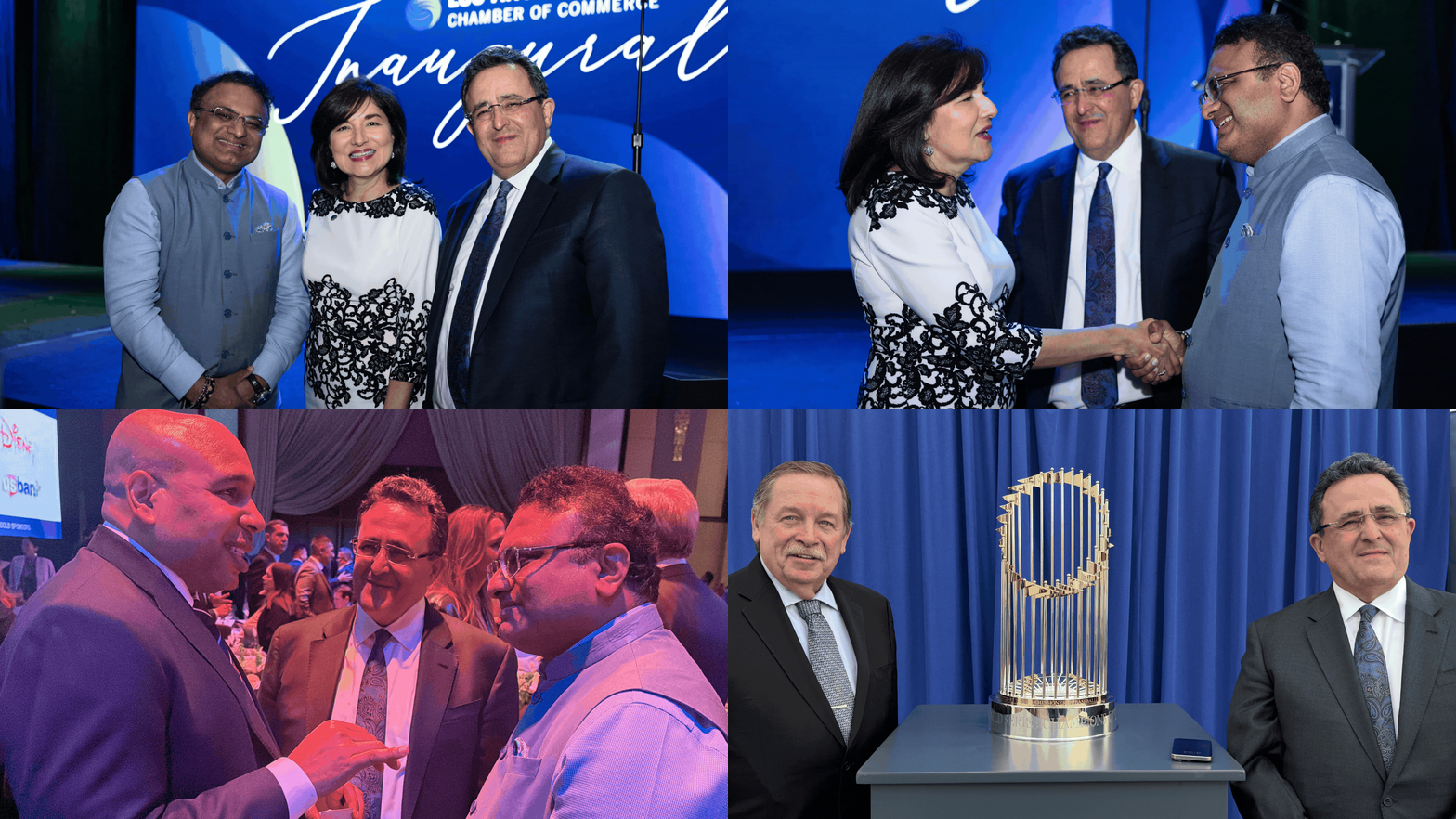
Optimum Seismic was proud to support this year’s Los Angeles Area Chamber of Commerce Inaugural Dinner, an evening dedicated to celebrating leadership, service, and the future of Los Angeles. The event featured inspiring remarks from President & CEO Maria Salinas and Mayor Karen Bass, along with recognition of Bank of America as Corporate Leadership Award recipient, Lew Horne of CBRE as Distinguished Business Leader, and George Kieffer as Civic Medal of Honor honoree for his extraordinary civic impact. The evening concluded with the ceremonial Passing of the Gavel from 2025 Board Chair George Pla to 2026 Board Chair Andy Park, marking a new chapter of leadership for the Chamber.