May 2021 Newsletter

Ali Sahabi, GEC
Principal,
Optimum Seismic, Inc.
Japan emerges from 6.8-magnitude quake unscathed, thanks to resilience
A 6.8-magnitude earthquake almost anywhere in the world would be deadly and destructive. But when a quake that size struck Japan on Saturday, there was only minor damage. Why? Japan’s long history of earthquakes (similar to California’s) has prompted it to take seriously the safety of its buildings. (The 6.7 Northridge quake in 1994 left 60 dead, 9,000 injured and $20 billion in damage.) Japan has learned from its past and taken steps to become more resilient. Find out more in the May 19 Resilience Advantage webinar, where speakers from the National Institute of Building Safety and the University of Southern California explain why our state should do the same.
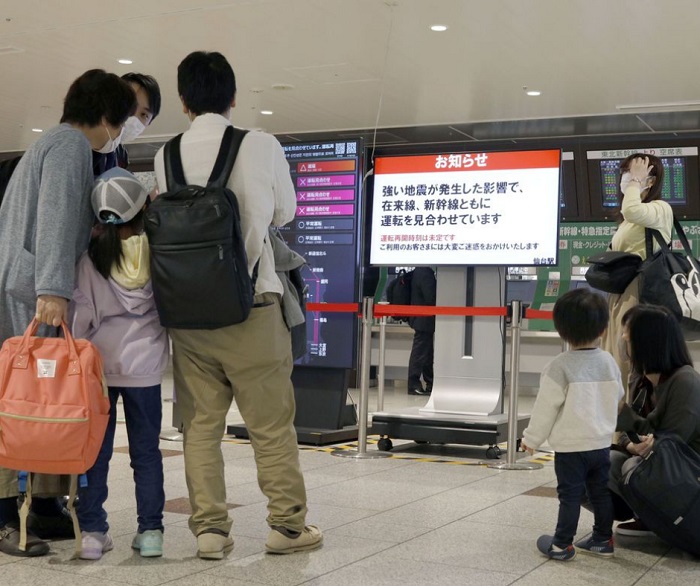
Resilience pays off when Japan hit by 6.8-magnitude quake
A magnitude 6.8 earthquake (roughly the size of California’s deadly 1994 Northridge quake) jolted northeast Japan on Saturday, shaking buildings but causing no more than minor damage, no serious injuries, and no deaths.
Read more

This month’s webinar addresses science behind resilience
Thanks to science and innovation, we better understand earthquake risks. Join our webinar on May 19 to learn how current tools can help organizations reduce their risks and better serve their communities. Panelists include Lakisha Woods of the National Institute of Building Sciences, and Christine Goulet of the University of Southern California.
Read more

New data shows heightened tsunami risks in Washington
New maps from the Washington Geological Survey show a tsunami, triggered by earthquakes, could cover parts of Seattle, Bellingham and other areas with 4 to 11 feet of water.
Read more

An earthquake fault may block tall Hollywood buildings
The city has ordered the developer to begin a new effort, by digging a trench, to investigate the presence of earthquake faults through the site of the proposed building project.
Read more
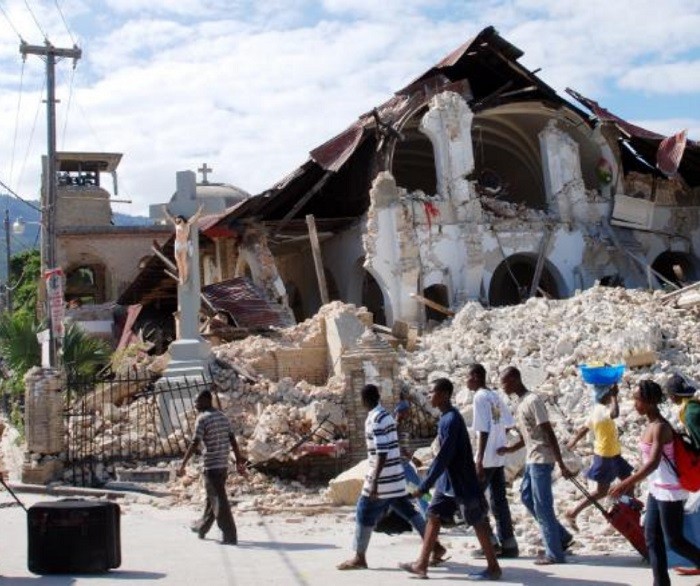
With earthquakes, size matters — but so does the terrain
Size isn’t all that matters with earthquakes. The ground beneath a structure can also make a difference. “The local geology definitely matters,” said Geophysicist Susan Hough.
Read more

Local newspaper remembers historic 1906 Earthquake
April marked the 115th anniversary of the 1906 earthquake that devastated San Francisco and Santa Rosa. The Press Democrat printed historic accounts: “There was such a general noise of falling buildings that little else could be heard.”
Read more
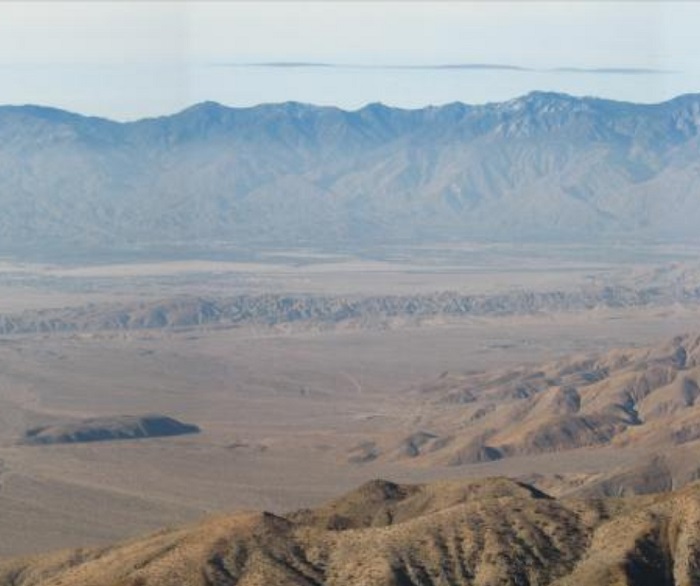
Tool shows quake, liquefaction risks
A properly engineered retrofit or other major remodel can protect your property investment as well as your tenants when the “Big One” hits. Optimum Seismic has a proven track record of minimizing impacts to tenants during construction.
Read More

Many buildings can benefit from simple seismic improvements
Safeguarding a building against earthquake damage does not necessarily mean spending an arm and a leg to get the work done. Many old buildings can realize significant improvements in seismic performance with simple, inexpensive improvements. Evan Reis of the U.S. Resiliency Council co-authored this article explaining how.
Read more
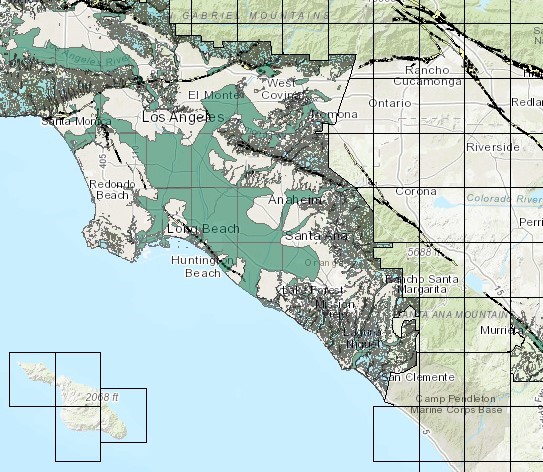
New searchable online tool displays quake, liquefaction risks
How vulnerable is your building to earthquake damage? If it is located within a fault, landslide or liquefaction zone the risks increase considerably. A new searchable map tool developed by the United States Geological Survey tool lets you search this data on your own.
Read more

Upcoming Events
Several Earthquake Retrofit sessions for apartment owners and monthly Resilience Advantage webinars are scheduled by Optimum Seismic to help protect our communities. Check the Optimum Seismic website for details.
Click Here